
In search of balance and health in an ever-changing world, more and more people are turning to alternative healing methods. Among these, Reiki therapy has gained increasing popularity due to its unique approach to healing and inner balance. But what exactly is Reiki therapy and how can it help improve well-being?
Reiki, which originated in 19th-century Japan, is a form of energy therapy that involves transferring energy through the laying on of hands. It is based on the idea that an unseen “flow of life force energy” influences our health and happiness. Through Reiki, practitioners claim to be able to channel energy to support the body’s natural healing process, reducing stress and promoting relaxation and well-being.
From relieving chronic pain to reducing symptoms of anxiety and depression, Reiki has been used to treat a wide range of conditions. In this article, we will explore in detail what Reiki therapy is, how it works, its essential symbols, its proven benefits, and the perspectives of those who have experienced this form of healing. We will also take a look at the various opinions and criticisms surrounding its effectiveness.
Whether you are an experienced practitioner or simply curious about the potential of Reiki therapy, this article will give you a comprehensive perspective on one of the most fascinating and discussed forms of alternative healing today.
The history and origin of Reiki therapy

Reiki therapy, as we know it today, has its roots in 19th-century Japan, but elements of it can be found in various ancient healing traditions. The founder of the practice, Mikao Usui, developed Reiki after a profound spiritual experience. Usui is said to have discovered the ability to access and channel universal energy during a spiritual retreat on Mount Kurama, a sacred location in Japan.
After this revelation, Usui developed a structured system, now known as Usui Reiki, for healing and spiritual development. He began teaching the art and initiating other masters, who in turn spread the knowledge of Reiki throughout the world.
In the years that followed, Reiki spread beyond Japan, reaching the United States and then Europe. Over time, different practitioners added their own understandings and interpretations, leading to the emergence of several "schools" or "styles" of Reiki. However, all of these approaches maintain the basic principles established by Usui, those of harmonizing and balancing vital energy.
Although there was initial skepticism, Reiki's popularity has steadily grown, due to its accessibility and the benefits reported by many practitioners. Today, Reiki is practiced and appreciated throughout the world, being integrated into various settings, from alternative medicine clinics to hospitals and wellness centers.
What is Reiki therapy?
Reiki, a term derived from the Japanese words “rei” (universal) and “ki” (life force energy), is a form of energy therapy that focuses on the transfer of energy through the laying on of hands to promote healing and balance. Reiki therapy is based on the belief that each individual has a “flow of vital energy” that influences health and quality of life. When this flow of energy is blocked or disrupted, physical and emotional health problems can develop. Reiki aims to unblock and rebalance this flow of energy.
Basic Principles of Reiki
Reiki is based on five fundamental principles, which are considered guiding principles for a balanced and harmonious life:
- Don't worry today.
- Don't be angry today.
- Express your gratitude.
- Work with dedication.
- Be kind to people.
These principles are often recited and meditated upon by Reiki practitioners as part of their daily discipline.
The initiation process and Reiki levels
Reiki initiation is a sacred process by which a Reiki master transfers Reiki energy to a student. This process, also known as "attunement," is said to open the student's energy channels, allowing them to access and channel Reiki energy.
There are three main levels in Reiki practice:
- Level I – This level focuses on physical healing and includes initiation and the ability to channel Reiki energy.
- Level II – Here practitioners learn to send Reiki energy at a distance and focus on emotional and mental healing.
- Master Level – At this level, a practitioner becomes a master and is able to initiate other students into the art of Reiki.
Reiki Therapy Techniques and Practices

During a Reiki session, the practitioner places their hands on or above the patient's body in various positions, channeling energy through the palms. This does not involve massage or physical pressure, but rather a light touch or even placing the hands a short distance away from the body.
Reiki practices are based not only on the placement of hands, but also on the intention and focus of the practitioner. The energies transmitted during a Reiki session are often described by patients as warmth, vibration, or a feeling of energy flow. These sensations are not necessarily physical; sometimes the effects are more emotional or spiritual, such as a state of deep relaxation, mental clarity, or a feeling of inner peace.
A unique aspect of Reiki therapy is that it does not require the use of medication or equipment. The Reiki practitioner works in a calm and peaceful space, creating an environment conducive to relaxation and healing. Sessions can vary in length, usually between 30 minutes and an hour, and can be tailored to the individual needs of each patient.
It is also important to note that Reiki does not replace conventional medical treatments, but rather complements them. Practitioners and patients are encouraged to work in harmony with conventional medical care and to consult with healthcare professionals for serious conditions.
Reiki practice can also be a powerful tool for personal and spiritual development. Many practitioners find that, in addition to its health benefits, Reiki helps them reach a deeper level of self-awareness and understanding.
Reiki symbols
Reiki symbols are an essential aspect of the practice and serve to amplify and direct the Reiki energy. Each symbol has a specific purpose and is used in different aspects of healing. Although there are many symbols used in different schools of Reiki, four of them are universally recognized in most Reiki traditions.
Cho Ku Rei (Symbol of Power)

Cho Ku Rei is often considered a symbol of power. It is used to intensify Reiki energy and is often used at the beginning of a session to increase the flow of energy or to clear negative energy from a space or person.
Sei He Ki (Symbol of Emotional Balance)

Sei He Ki is the symbol of emotional balance. It is used for emotional and mental healing and is useful in treating anxiety, fear, confusion or other emotional imbalances. This symbol is also associated with harmony and balance.
Hon Sha Ze Sho Nen (Distance Healing Symbol)

This symbol is used to send Reiki energy at a distance, regardless of spatial or temporal limitations. It is a powerful tool for healing the past or preparing for future events.
Dai Ko Myo (Symbol of the Master)

The Dai Ko Myo, the master symbol, is considered the most powerful symbol in Reiki and is used by high-level practitioners. It is associated with spiritual healing and enlightenment and is often used to open channels of communication with the higher self.
Each Reiki symbol is activated by drawing it in the air or visualizing it in your mind and pronouncing its name. These symbols are considered sacred and are used with respect and intention.
In modern practice, Reiki symbols are used not only in healing sessions, but also in meditation and personal development. They help to focus intention and amplify energy, playing a crucial role in the effectiveness and depth of Reiki practice.
How does Reiki Therapy work?
Reiki therapy works on the principle that each person has a flow of vital energy that influences health and well-being. When this flow is blocked or disrupted, it can lead to physical, emotional, or mental problems. Reiki aims to restore the normal flow of energy, thereby promoting healing and balance.
The healing process in Reiki
During a Reiki session, the practitioner channels universal energy and directs it towards the client. This is done by placing hands on or above various parts of the client's body. The practitioner does not use their own energy, but rather acts as a channel for the universal energy.
The idea behind this process is that the Reiki energy is intelligent and knows where to go to bring balance. The practitioner only guides the energy, but it is the energy itself that does the healing work.
Balancing the energy centers (chakras)
Reiki often focuses on balancing the chakras, which are considered important energy centers in the body. Each chakra is believed to correspond to different physical, emotional, and spiritual aspects of the being. By balancing these chakras, Reiki can help reduce stress, relieve pain, improve sleep, and promote an overall sense of well-being.
Reiki as a complementary practice
Although Reiki is a holistic therapy and can be extremely effective on its own, it is often used as a complementary practice. This means that it can be combined with other forms of medical treatment or therapies to enhance the healing effects. Reiki is known for its ability to reduce the side effects of conventional medical treatments and support faster recovery.
Benefits of Reiki therapy
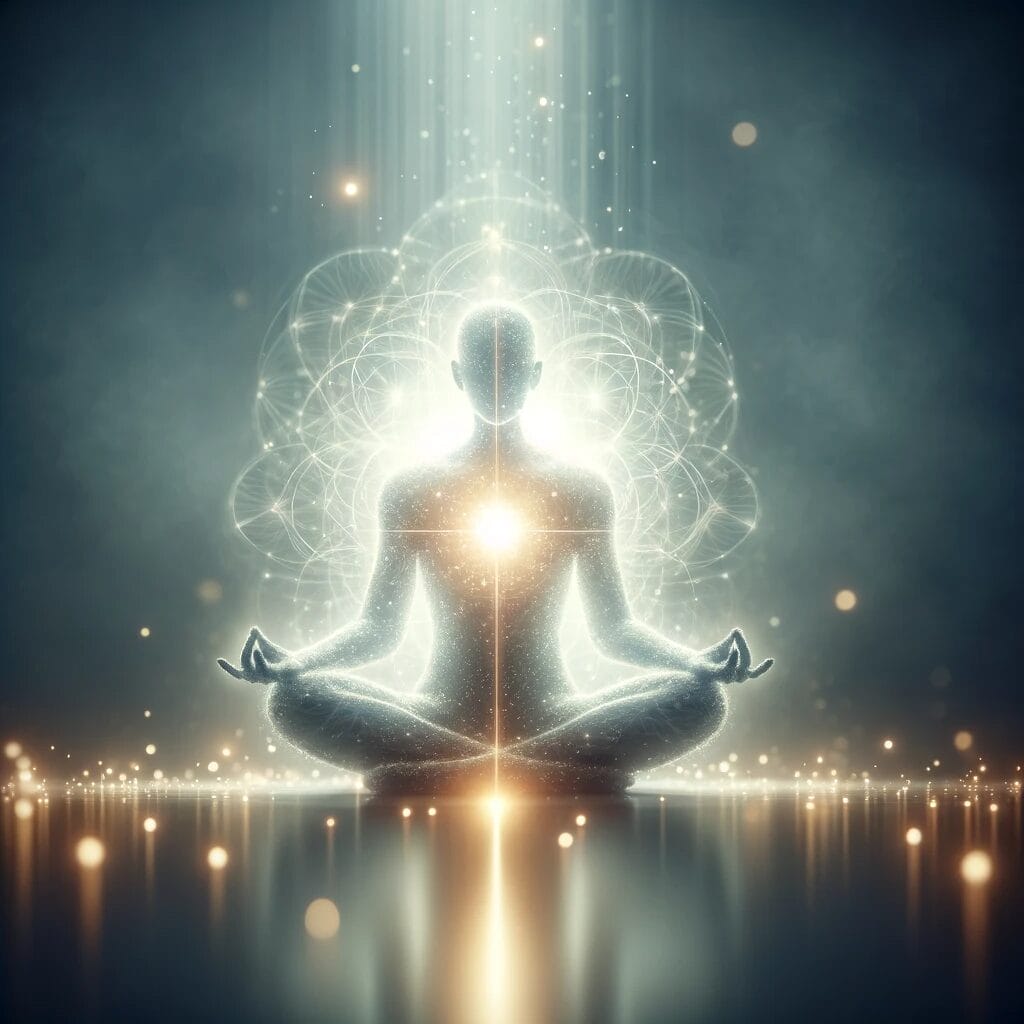
Reiki therapy is known for a wide range of benefits, both physical and emotional. By balancing the body's energy, Reiki can bring significant improvements in well-being and health. Here are some of the most notable benefits of Reiki therapy:
Stress reduction and relaxation
One of the most immediate effects of Reiki is its ability to induce a deep state of relaxation. By reducing stress and tension, Reiki can help relieve symptoms associated with anxiety and depression, creating a feeling of tranquility and inner peace.
Pain relief and physical healing
Reiki is often used to reduce pain and support the body's natural healing processes. Reiki practitioners report success in treating chronic pain, inflammation, injuries, and other physical conditions. The analgesic and anti-inflammatory effects of Reiki can provide valuable support in pain management.
Balancing emotions and mental clarity
By balancing the chakras and energy of the body, Reiki can help release emotional blockages and promote a state of mental clarity. This is especially helpful for people dealing with overwhelming emotions, post-traumatic stress, or other mental health issues.
Improving sleep
Many Reiki therapy clients report a significant improvement in the quality of their sleep. The deep relaxation and energy balancing can contribute to more restful sleep and reduce insomnia-related problems.
Supporting holistic healing
Reiki addresses the whole person – body, mind and spirit. This means that not only are specific symptoms treated, but the underlying causes of the imbalance are also addressed. Therefore, Reiki can be a powerful tool for holistic healing and improving overall health.
Complementarity with other therapies
Reiki can be effectively combined with other forms of treatment, such as conventional medicine, psychotherapy, or other alternative therapies. It can enhance the effects of other treatments and help reduce side effects.
What diseases does Reiki therapy treat?
Reiki therapy is used to treat a variety of physical and emotional conditions, although it should be emphasized that it does not replace conventional medical treatments, but rather complements them. Here are some of the conditions and ailments for which Reiki is often used:
Stress and Stress-Related Disorders
One of the most common uses of Reiki is to reduce stress and anxiety. By promoting relaxation and balancing energy, Reiki can help relieve stress-related symptoms such as muscle tension, insomnia, and irritability.
Chronic and acute pain
Reiki has been shown to be effective in reducing pain, including headaches, migraines, muscle and joint pain. Reiki practitioners often report a significant analgesic effect, which can be very helpful for people suffering from chronic pain.
Recovery after surgeries and traumas
Reiki can support the healing process, speeding up recovery after surgery or physical trauma. By improving energy flow and reducing inflammation, Reiki can contribute to a faster and more comfortable recovery.
Anxiety, depression and post-traumatic stress
Reiki therapy is commonly used to treat emotional and mental issues, including depression, anxiety, and post-traumatic stress. Through its holistic approach, Reiki helps restore emotional balance and promotes mental well-being.
Digestive and metabolic problems
Reiki can also help with digestive and metabolic issues. By relaxing the body and improving energy flow, Reiki can support optimal functioning of the digestive system.
Support for chronic conditions
For chronic conditions such as fibromyalgia, arthritis, and multiple sclerosis, Reiki can provide valuable support, helping to manage symptoms and improve quality of life.
It is important to note that while many people report significant improvements following Reiki sessions, the therapy should not replace professional medical care. Instead, it should be seen as a complementary part of a comprehensive treatment plan.
Reiki Therapy – Opinions and Testimonials
Reiki therapy, like any form of alternative medicine, has its fervent supporters as well as its critics. Exploring the diverse opinions and testimonials can provide a balanced perspective on the practice.
Positive and beneficial experiences
Many who have experienced Reiki share positive experiences, describing improvements in anxiety, a reduction in pain, and an overall improvement in well-being. Frequent testimonials emphasize the relaxing and comforting effects of Reiki, as well as its emotional and spiritual benefits.
Skeptical and critical opinions
There is also a skeptical view of Reiki, with some individuals and researchers questioning its effectiveness. Criticism often focuses on the lack of solid scientific evidence and the difficulty in measuring the effectiveness of an energy-based therapy. It is important to note that while some people do not experience the expected benefits, others consider Reiki to be an essential part of their healing journey.
Diverse individual perspectives and experiences
The diversity of experiences with Reiki reflects its subjective and personalized nature. Some people report feelings of warmth, peace, and deep relaxation, while others do not feel an immediate change.
The role of faith and expectations
It is also important to consider the role of individual expectations and belief in the effectiveness of any therapy. In the case of Reiki, the patient's openness and receptivity can play a significant role in the experience and results of the therapy.
In conclusion, opinions about Reiki vary considerably, and for many, its effectiveness may be more a matter of personal experience and belief than concrete scientific evidence.
Conclusions and Closing Thoughts on Reiki Therapy
Reiki therapy, with its origins deeply rooted in Japanese tradition and spiritual practices, has become a global phenomenon, offering an alternative and complementary approach to healing. Through the laying on of hands and channeling universal energy, Reiki promises balance, stress reduction, and healing of both body and mind.
Summary of Reiki Benefits
- Reiki is valued for its deep relaxation and stress-reducing effects, often used to relieve anxiety and depression.
- It provides support for relieving physical pain, accelerating the body's natural healing processes.
- Reiki brings emotional and mental benefits, helping to balance emotions and promote mental clarity.
- The practice is often used as a complementary therapy, amplifying the effects of other treatments and reducing side effects.
Reflecting on the diversity of opinions
- Opinions about Reiki vary, from those who report profound and positive changes in their lives to skeptics who question its validity and effectiveness.
- The effectiveness of Reiki can be influenced by subjective factors, such as each person's faith and openness to this practice.
Final considerations
Ultimately, Reiki is more than just a therapy; for many, it is a spiritual journey and a way of life. We encourage everyone interested in Reiki to explore this practice with an open mind and to personally determine if Reiki is right for their needs and lifestyle.
Regardless of one's individual opinion of Reiki, it is clear that this practice has provided comfort, healing, and hope to many people around the world. In an age where we seek balance and harmony, Reiki can be a path to discovering a deeper sense of peace and well-being.