

Direct answer: The most useful films about seduction are Hitch, Crazy Stupid Love., Before Sunrise, The Tao of Steve, Swingers, Groundhog Day, The Thomas Crown Affair, Vicky Cristina Barcelona, D and Dangerous LiaisonsThe former help you notice initiative, conversation, style, and vulnerability; the latter show you how seduction becomes manipulation when consent, sincerity, and responsibility are lacking.
A good movie can give you language for things you feel but haven’t yet articulated. You can notice a character’s posture, the pace at which they speak, the way they listen, how they build tension or completely lose their sense of judgment. But movies are condensed stories, not dating courses. They skip hours of conversation, exaggerate conflicts, and sometimes reward behaviors that, in real life, would produce discomfort or distrust.
Therefore, this guide does not tell you to copy characters. It gives you a mature way of looking at 45 movies about seduction, to extract useful behaviors and separate charisma from manipulation. For the practical part, link the viewing to the guides on how to learn seduction, how to get a girl's attention and how to talk to a girl.
Important Note: Some titles contain sexuality, infidelity, abuse, violence, or toxic relationship dynamics. They are included for critical analysis, not as role models. Please check the age rating and description of the film before watching.
Content
- Why it's worth watching movies about seduction
- What movies can and can't teach you
- SCREEN method for active viewing
- Quick List: 45 Movies and the Main Lesson
- Movies about connection, flirting, and authenticity
- Movies about charisma, presence and social intelligence
- Movies about manipulation and toxic seduction — to watch critically
- Films about masculinity, identity and coming of age
- What films do you choose depending on your objective?
- Practical viewing plan for 7 days
- 6 bonus series about charisma and relationships
- Frequent asked questions (FAQs)
- Conclusion
Why it's worth watching movies about seduction
Movies give you a simple advantage: you can see an interaction from the outside. In real life, when you like someone, your attention is divided between emotions, fear of rejection, and trying to find your next line. On screen, you can pause, rewind, and compare. You may notice that a character who is considered charismatic doesn't necessarily talk more, but tolerates silence, looks at the interlocutor, responds to what they hear, and is not in a hurry to seek validation.
A 2023 review of research on fiction looked at the effects of reading and watching stories on social cognition. The findings are mixed, but suggest that narratives can function as spaces for social simulation. Other research describes stories as tools for observational learning, as they make information more memorable and allow for examining consequences without experiencing the situation directly. See review about fiction and social cognition and the study Stories in Action.
This doesn't mean that after watching two romantic comedies you'll automatically become more attractive. It means that you can use the movie as an observational tool, much like an athlete analyzes his or her records. The outcome depends on the questions you ask and the small behaviors you practice in real life.
Five realistic benefits
- You train your social observation. You become more attentive to posture, rhythm, expressions, context, and reciprocity.
- You expand your conversational repertoire. See different ways to ask questions, tell a story, and use humor.
- You understand the consequences. Good movies don't just show conquest, but also what happens after lying, infidelity, or emotional avoidance.
- You examine your own beliefs. You can notice which characters you idealize and why: their security, status, freedom, aggression or lack of attachment.
- You have a starting point for practice. You choose a single healthy behavior — for example, calm eye contact or a direct invitation — and practice it without role-playing.
What movies can and can't teach you
Stories can produce “narrative transport”: empathy with characters, immersion, and sometimes revision of beliefs. A study of the cinematic experience found links between these dimensions and the audience’s emotional responses. This is why a character can seem compelling even when they are acting toxic. Emotion does not validate behavior; it just makes it memorable. Read the research on narrative transportation in films.
Repeated exposure to certain romantic stories may also be associated with beliefs about relationships. The research doesn't justify simple claims like "movies program us," but it does show why it's worth taking a critical look at scenarios like the soulmate who solves everything, jealousy as proof of love, or insistence that turns rejection into acceptance. A recent example is the study on watching Hallmark movies and romantic beliefs.
Movies can help you notice: presence, humor, social courage, style, initiative, listening, tension, vulnerability, limits and consequences.
Films cannot guarantee: attraction to a specific person, a universal response, compatibility, consent or the success of a date. No scene replaces the real feedback from the woman in front of you.
If you tend to interpret any smile as interest, complement your viewing with the guide about signs that a woman likes you and with the article about body languageSignals are read in groups and in context, not separately.
SCREEN method for active viewing
To turn film from entertainment into exercise, use the method SCREENTake a page of notes and answer five questions after each important scene:
- E — Emotion: What mood does the character create: safety, play, curiosity, pressure, fear, or confusion?
- C — Context: Is the behavior appropriate for the place, time, and level of closeness between people?
- R — Reciprocity: Does the other person invest, ask, approach, and voluntarily continue, or just tolerate the interaction?
- A — Observable action: What is the concrete gesture that you can ethically test: a question, a pause, a smile, a clear invitation, a limit?
- N — Critical rating: What should not be copied: lying, pressure, provoked jealousy, stalking, objectification or violation of boundaries?
Example: in Before Sunrise, the observable action may be "take a detail from the answer and ask a follow-up question." In Dangerous Liaisons, the critical note is "do not collect vulnerabilities to control". In Groundhog Day, the lesson is "change the character, not just the strategy."
Quick List: 45 Movies and the Main Lesson
| # | Film | An | Categories | The main lesson |
|---|---|---|---|---|
| 1 | Hitch | 2005 | Connection | Notice the preparation, the attention to detail, the courage to invite, and the way humor reduces tension. |
| 2 | Crazy Stupid Love. | 2011 | Connection | Grooming, appropriate clothing, posture, and initiative change the first impression. |
| 3 | Before Sunrise | 1995 | Connection | Watch the natural transition between subjects, the way each one takes a detail and develops it, and the moments of silence that are not treated as a failure. |
| 4 | Don Juan De Marco | 1994 | Connection | A person feels seen when you notice their nuances and speak to them as a unique human being, not as a lens. |
| 5 | The Tao of Steve | 2000 | Connection | One's own life, autonomy, and lack of despair are more compelling than obsessive pursuit. |
| 6 | Swingers | 1996 | Connection | Social exposure, friends, and humor help you break out of isolation. |
| 7 | Groundhog Day | 1993 | Connection | Sustainable attractiveness is a side effect of a better life: competence, care, humor, contribution, and responsibility. |
| 8 | Love & Other Drugs | 2010 | Connection | Charm opens up interaction, but willingness to stick around through difficult times builds intimacy. |
| 9 | What Women Want | 2000 | Connection | Curiosity and empathy are more useful than stereotypes. |
| 10 | Vicky Cristina Barcelona | 2008 | Connection | Calm directness, clear invitation, and the ability to propose an experience can be attractive when there is real freedom of choice. |
| 11 | The Thomas Crown Affair | 1999 | Charisma | Healthy mystery doesn't mean lying, but not spilling your entire biography in the first ten minutes. |
| 12 | Focus | 2015 | Charisma | Attention to the environment, calmness under pressure, and the ability to communicate simply are real social skills. |
| 13 | Thank you for Smoking | 2005 | Charisma | Learn to formulate clearly, not to react immediately, and to understand the interlocutor's perspective. |
| 14 | American Gigolo | 1980 | Charisma | Personal care, elegance, and awareness of one's own body influence presence. |
| 15 | Alfie | 1966 / 2004 | Charisma | You can notice the ease, initiative, style, and ability to create energy. |
| 16 | Wedding Crashers | 2005 | Charisma | Sociable people don't always wait to be invited; they participate, dance, talk to the group, and contribute to the atmosphere. |
| 17 | Hit man | 2024 | Charisma | Behavior can be trained. |
| 18 | Office Space | 1999 | Charisma | People sense when you are constantly tense and when you abandon yourself to be liked. |
| 19 | Dangerous Liaisons | 1988 | Warning | Learn to recognize strategies such as triangulation, provoking jealousy, ambiguous promises, collecting vulnerabilities, and alternating closeness with withdrawal. |
| 20 | Cruel Intentions | 1999 | Warning | Notice the difference between genuine interest and the obsession with proving that you "can." |
| 21 | The Last Seduction | 1994 | Warning | An offer that is too perfectly tailored to your fantasy is worth looking at with lucidity. |
| 22 | Basic Instinct | 1992 | Warning | Attraction can coexist with alarm signals. |
| 23 | Original Sin | 2001 | Warning | When you meet someone, check to see if the facts match the story. |
| 24 | Match Point | 2005 | Warning | Ask yourself what you're actually after when you're attracted: the person, the validation, the escape, or the status associated with them. |
| 25 | Closer | 2004 | Warning | Truth without empathy can become a weapon. |
| 26 | Eyes Wide Shut | 1999 | Warning | Fantasies are not automatically plans, and jealousy can reveal insecurities and unexpressed needs. |
| 27 | Roger Dodger | 2002 | Warning | Verbal intelligence can mask the fear of rejection. |
| 28 | How to Be a Player | 1997 | Warning | You can separate social skills from relational ethics. |
| 29 | spread | 2009 | Warning | Relationships based on implicit exchange must be understood lucidly. |
| 30 | Ehrengard: The Art of Seduction | 2023 | Warning | Plans about people fail when they ignore autonomy, surprise, and the fact that attraction is not a perfectly predictable mechanism. |
| 31 | 9½ Weeks | 1986 | Warning | Excitement and discomfort can occur simultaneously, and the body is no substitute for explicit conversation about boundaries. |
| 32 | saltburn | 2023 | Warning | Be careful of relationships where admiration quickly turns into fusion and where the victim story becomes the only basis for trust. |
| 33 | Promising Young Woman | 2020 | Warning | A responsible man does not take advantage of confusion, intoxication, fear, or the inability to decide. |
| 34 | The Talented Mr. Ripley | 1999 | Warning | Healthy mirroring means attunement and empathy, not copying the other's identity. |
| 35 | Unfaithful | 2002 | Warning | Relationships need conversations before distance becomes a breeding ground for secrets. |
| 36 | D | 2013 | Maturation | Approach requires attention to real experience, feedback, and the ability to let go of the scenario in your head. |
| 37 | Up in the Air | 2009 | Maturation | Autonomy is attractive, but it becomes defensive when it excludes any need for closeness. |
| 38 | Fight Club | 1999 | Maturation | Charisma can attract even when the message is destructive. |
| 39 | Challengers | 2024 | Maturation | When you enter a competition for someone, check if you still see the person or just the prize. |
| 40 | The Pick-up Artist | 1987 | Maturation | Initiative and tolerance for rejection can be developed. |
| 41 | Casanova | 2005 | Maturation | Humor, spontaneity, and zest for life can be attractive. |
| 42 | The Wolf of Wall Street | 2013 | Maturation | Voice, rhythm, story, and conviction can mobilize people. |
| 43 | The Great Gatsby | 2013 | Maturation | Build a valuable life because it belongs to you, not as a demonstration for someone who needs to be convinced. |
| 44 | Heartbreakers | 2001 | Maturation | People are vulnerable to confirmation of personal fantasies. |
| 45 | Dangerous Beauty | 1998 | Maturation | Conversation, general culture, wit, and the ability to participate in the other person's world can be as attractive as appearance. |
Movies about connection, flirting, and authenticity
These titles are best suited if you want to study conversation, vulnerability, rhythm, and the way two people discover each other without one turning the other into a trophy.
1. Hitch (2005)
Hitch is the most accessible entry point for those looking for films about seduction. The film starts from the idea that a man can be helped to better express his interest, arrange a date and overcome social blockages. Its value lies not in the "tricks" but in the contrast between technique and authenticity: the consultant who seems to know everything about attraction discovers that he cannot control real vulnerability.
What you can learn: Notice the preparation, the attention to detail, the courage to invite, and the way humor reduces tension. The film shows that a good setting allows personality to become visible; it does not replace personality.
What not to copy: Don't turn the meeting into a rigid script and don't hide important information. When technique becomes a mask, trust is broken.

2. Crazy, Stupid, Love. (2011)
It’s one of the most useful films for analyzing style, body language, and the difference between appearance and connection. Jacob seems confident, elegant, and impossible to destabilize, and Cal gradually rebuilds his image and confidence. However, the story doesn’t stop at wardrobe or lines; it shows that real intimacy requires sincerity, consistency, and the ability to remain present when you’re no longer in control.
What you can learn: Grooming, proper clothing, posture, and initiative change first impressions. More importantly, good conversation happens when you stop showing off and start being curious.
What not to copy: Better looks can open the door, but they alone don't fix shame, infidelity, lack of direction, or fear of intimacy.
3. Before Sunrise (1995)
Before Sunrise is almost the opposite of a “hook-up” movie. Two people meet by chance and build attraction through conversation, curiosity, play, and gradual self-disclosure. The slow pace makes visible what many films skip: connection is born from attention, good questions, and a willingness to answer honestly, not just to impress.
What you can learn: Watch the natural transition between subjects, the way each one takes a detail and develops it, and the moments of silence that are not treated as a failure.
What not to copy: Don't confuse the intensity of one night with a sure promise of the future. Chemistry and compatibility also take time.
4. Don Juan DeMarco (1994)
The film uses the myth of Don Juan to explore the power of story, imagination and the way a man sees the person in front of him. The main character is not only captivating in appearance, but also in the almost theatrical attention he pays to emotion, detail and meaning. It is a cinematic lesson about presence, but also about the fragile border between charm, idealization and escape from reality.
What you can learn: A person feels seen when you notice their nuances and speak to them as a unique person, not as an object. Language can create atmosphere when it is congruent with your character.
What not to copy: Don't copy theatricality if it doesn't represent you, and don't use idealization to avoid relating to the real person.
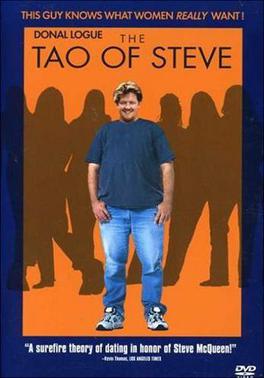
5. The Tao of Steve (2000)
The Tao of Steve remains relevant precisely because it questions its own philosophy of seduction. Dex is laid-back, intelligent, and capable of creating connections, but he also uses his rules as a protection against intimacy. The film shows why detachment can be attractive at first, and why, taken too far, it becomes emotional avoidance.
What you can learn: Your own life, autonomy, and lack of desperation are more compelling than obsessive pursuit. Attraction increases when you don't ask a woman to adjust your self-worth.
What not to copy: “Be detached” does not mean “be indifferent.” If you use distance as a tactic, you create confusion, not trust.
6. Swingers (1996)
Swingers captures the period after a breakup, when a man wants to re-enter dating but still carries anxiety and attachment to the past. Friends, clubs, and awkward attempts at conversation become a social laboratory. The film is valuable because it doesn't completely romanticize "the game": it also shows how overanalysis, repeated calls, and the need for validation can ruin a promising start.
What you can learn: Social exposure, friends, and humor help you break out of isolation. Confidence is rebuilt through lived life, not rumination.
What not to copy: Don't use peer pressure as a reason to become someone else, and don't insist when the other person's reaction is cold.
7. Groundhog Day (1993)
While not a classic seduction film, Groundhog Day offers one of the best lessons on the difference between manipulation and transformation. At first, Phil uses information about Rita to artificially build compatibility. The strategy fails because knowing facts about someone is not the same as becoming a relationship-capable person. Change only occurs when he develops his character independent of reward.
What you can learn: Sustainable attractiveness is a side effect of a better life: competence, care, humor, contribution, and responsibility.
What not to copy: Don't harvest a person's vulnerabilities to fabricate the response you want. That's manipulation, not connection.
8. Love & Other Drugs (2010)
The film starts with flirtation, sexuality, and commercial charisma, but becomes a story about closeness in the presence of vulnerability and illness. The characters initially use sex and humor to maintain emotional distance. That's why it's useful for observing how attraction can exist without security, and how a relationship requires more than just chemistry.
What you can learn: Charm opens up interaction, but willingness to stick around through difficult times builds intimacy. Listening and accepting the other person's reality are mature forms of seduction.
What not to copy: Don't interpret vulnerability as an invitation to rescue or control. Healthy support respects autonomy.
9. What Women Want (2000)
The fantastical premise allows the main character to hear the thoughts of women and exposes the gap between assumptions and reality. At first, he uses the information for personal gain. Along the way, the experience forces him to realize how much he had ignored the fears, ambitions, and perspectives of the people around him.
What you can learn: Curiosity and empathy are more useful than stereotypes. In real life you can't read minds, but you can ask, listen, and check if you understood correctly.
What not to copy: Access to personal information does not give the right to exploit it. Respect for privacy is essential.
10. Vicky Cristina Barcelona (2008)
The film explores attraction, spontaneity, ambivalence, and how people project different desires onto the same relationship. Juan Antonio is direct and quickly creates an atmosphere of adventure, but the story also shows the costs of instability, triangulation, and intensity mistaken for compatibility. Penélope Cruz won the Oscar for Best Supporting Actress, and the dynamics between the characters remain the film's strong point.
What you can learn: Calm directness, clear invitation, and the ability to propose an experience can be attractive when there is real freedom of choice.
What not to copy: Don't confuse nonconformity with maturity, and don't use intensity to ignore boundaries, agreements, or consequences.

Movies about charisma, presence and social intelligence
Here the emphasis is on style, voice, posture, social intelligence and the ability to create atmosphere. Keep the skills observable and eliminate lying, ostentatious status displays or power plays.
11. The Thomas Crown Affair (1999)
Thomas Crown builds magnetism through composure, competence, aesthetic taste, and control of pace. The central relationship is a duel between two intelligent people testing each other. The film is excellent for observing the tension created by subtext, eye contact, pauses, and the fact that the characters are not in a hurry to explain everything.
What you can learn: Healthy mystery doesn't mean lying, it's about not spilling your entire biography in the first ten minutes. Pacing and self-control can amplify interest.
What not to copy: In real life, secrecy and power plays erode security. Competence does not compensate for a lack of integrity.
12. Focus (2015)
Focus is built around observation, persuasion, context reading, and attention control. The relationship between the characters combines attraction with distrust, making it especially useful as a study of influence and vulnerability. The spectacle of con may be seductive, but the film shows that the ability to read people does not automatically produce intimacy.
What you can learn: Attention to the environment, calmness under pressure and the ability to communicate simply are real social skills. Presence is felt before it is explained.
What not to copy: Don't use influence techniques to circumvent consent or create dependency. Without transparency, charm becomes a tool of exploitation.
13. Thank You for Smoking (2005)
Nick Naylor is a master of argument, framing, and maintaining composure in a hostile conversation. The film is not romantic, but it is valuable for anyone who wants to understand verbal charisma. He shows how a good communicator can change the frame of a discussion, use humor, and avoid defensiveness—even when defending something morally questionable.
What you can learn: Learn to formulate clearly, not to react immediately, and to understand the interlocutor's perspective. Verbal confidence comes from structure, not volume.
What not to copy: Eloquence without ethics can be harmful. Winning an argument doesn't mean you've built a relationship or that you're right.
14. American Gigolo (1980)
American Gigolo examines image, status, aesthetics, and identity built around the desire of others. The main character is attentive to his body, clothes, spaces, and the way he presents himself. Behind the visual control, however, emerges the fragility of a man who confuses his value with his ability to be desired.
What you can learn: Personal grooming, elegance, and body awareness influence presence. Style becomes powerful when it expresses an identity, not when it tries to buy acceptance.
What not to copy: If your entire self-esteem depends on sexual validation, attractiveness becomes a prison. Image cannot replace meaning.
15. Alfie (1966 / 2004)
Both versions of Alfie follow a seductive man, spontaneous and attentive to his effect on women, but refusing to treat charm as a shield against consequences. The character's direct monologues and style make visible the logic of a "player": immediate pleasure, compartmentalization and avoidance of responsibility.
What you can learn: You can see the ease, initiative, style, and ability to create energy. These traits are useful when integrated with empathy and responsibility.
What not to copy: The film is primarily a warning. Repeated conquests do not compensate for loneliness, lack of integrity, or hurting people.
16. Wedding Crashers (2005)
Wedding Crashers works as a comedy about social intelligence, improvisation, and group energy. The characters easily enter into conversations because they notice the context, engage in activities, and create fun. At the same time, their premises are based on lies, and the film builds its development precisely from confronting these consequences.
What you can learn: Sociable people don't always wait to be invited; they participate, dance, talk to the group, and contribute to the atmosphere. The contextual approach is more natural than an isolated reply.
What not to copy: Don't invent identities or enter private spaces under false pretenses. Humor does not negate responsibility.
17. Hitman (2024)
Hit Man explores performed identity: a shy professor discovers he can embody very different versions of himself, and one of them becomes surprisingly attractive. The film is fresh, intelligent, and useful for examining how posture, voice, clothing, and inner conviction change social perception. But the character also gets caught up in a web of lies that complicates attraction.
What you can learn: Behavior can be trained. Sometimes you don't need to invent a persona, but to allow a braver, more expressive side to emerge.
What not to copy: Experiment with presence, not fake identity. A relationship built on lies requires more lies.
18. Office Space (1999)
Office Space is not a film about conquest, but Peter’s transformation offers an indirect lesson in congruence. When he stops living paralyzed by fear and the need for approval, his posture, voice, and decisions change. The relaxation makes him more visible—not because he’s applying a technique, but because he’s no longer asking for permission for every move.
What you can learn: People can sense when you're constantly stressed and when you're sacrificing yourself to be liked. Boundaries, direction, and a life of your own increase your social presence.
What not to copy: Detachment should not be confused with irresponsibility. The goal is mature autonomy, not indifference to consequences.
Movies about manipulation and toxic seduction — to watch critically
These films are valuable precisely because they show the dark side: seduction used for control, status, revenge, access, or validation. Think of them as case studies of red flags and consequences.
19. Dangerous Liaisons (1988)
Dangerous Liaisons is a classic study of seduction as a power play. The characters weaponize their social intelligence, treat people like trophies, and mistake control for superiority. It’s their sophistication that makes the film worthwhile: the manipulation doesn’t always come across as aggressive; it can be elegant, patient, and perfectly articulate.
What you can learn: Learn to recognize strategies such as triangulation, provoking jealousy, ambiguous promises, collecting vulnerabilities, and alternating closeness with withdrawal.
What not to copy: It's not a playbook to follow. It's a demonstration of how the desire to win destroys trust and ultimately consumes the manipulators.
20. Cruel Intentions (1999)
Cruel Intentions moves the power games into a young, privileged and competitive environment. Gambling, reputation and sexuality become tools of control. The film shows how easily a person can turn closeness into an ego challenge and how dangerous the idea is that the other's limits exist only to be exceeded.
What you can learn: Notice the difference between genuine interest and the obsession with proving that you “can.” When the goal is victory, the person disappears from the equation.
What not to copy: Insistence is not romanticism, and vulnerability is not weakness to be exploited. Consent must be free, clear, and reversible.
21. The Last Seduction (1994)
The Last Seduction uses the figure of the "femme fatale" to construct a thriller about control, greed, and the use of desire as leverage. The central character is intelligent, adaptable, and able to quickly read the needs of others. The film is suitable for critical analysis, not romantic lessons.
What you can learn: An offer that is too perfectly tailored to your fantasy is worth looking at with lucidity. Intense attraction can reduce critical thinking when it taps into your exact need for validation.
What not to copy: Don't automatically project this stereotype onto real women. The film is noir fiction, and generalized suspicion destroys relationships just like naivety.
22. Basic Instinct (1992)
Basic Instinct is often included in lists of films about seduction for the control, ambiguity and magnetism of the character Catherine Tramell. The tension comes from uncertainty: is the intimacy real, strategy or danger? The film shows how powerful mystery can become when combined with sexuality, intelligence and risk.
What you can learn: Attraction can coexist with red flags. A mature man doesn't abandon his discernment just because he feels chemistry.
What not to copy: Don't turn female sexuality into evidence of danger or romanticize obsession. The thriller operates through exaggeration and stereotype.
23. Original Sin (2001)
Original Sin combines desire, hidden identity, and deception in a story where appearances are constantly negotiated. Characters enter into relationships based on edited versions of their own identities, and passion intensifies both attachment and risk.
What you can learn: When you meet someone, check to see if the facts match the story. Healthy intimacy grows with transparency, not with the accumulation of secrets.
What not to copy: Don't interpret jealousy, danger, or chaos as evidence of deep love. Emotional intensity is not the same as relational security.
24. Match Point (2005)
Match Point is about ambition, desire, status, and moral choices. Attraction doesn't occur in a vacuum: it's influenced by social class, opportunity, frustration, and the image of life the characters want to achieve. Seduction becomes part of a conflict between pleasure and consequences.
What you can learn: Ask yourself what you're really after when you're attracted to someone: the person, the validation, the escape, or the status associated with them. Clarity of motivation reduces self-deception.
What not to copy: Compartmentalization and lying may seem like temporary solutions, but they increase the moral and relational cost. The film should be read as a warning.
25. Closer (2004)
Closer is a film about desire, verbal cruelty, truth told carelessly, and people who use intimacy to gain power. The dialogue is sharp, but not to be confused with healthy communication. The characters demand honesty while using it to hurt or control.
What you can learn: Truth without empathy can become a weapon. Mature communication does not mean saying every impulse, but being able to express the need without humiliation and interrogation.
What not to copy: Don't romanticize the approach-rejection dynamic. Too much chemistry and too little security can create dependency, not compatibility.
26. Eyes Wide Shut (1999)
Eyes Wide Shut explores fantasy, jealousy, status, and the distance between the image of a relationship and the inner lives of the partners. Seduction comes in many forms: invitation, projection, ritual, power, and danger. The film is more useful as a reflection on desire than as a source of behaviors to copy.
What you can learn: Fantasies are not automatically plans, and jealousy can reveal insecurities and unexpressed needs. Conversations about desire require maturity and boundaries.
What not to copy: Don't seek validation by escalating risk and don't assume that sexual mystery means emotional freedom.
27. Roger Dodger (2002)
Roger Dodger is a verbal, cynical man who believes he understands women. He introduces his nephew to his own belief system, but the film gradually exposes his insecurities and the need for controlIt's one of the best takedowns of the seduction mentor who confuses sarcasm with power.
What you can learn: Verbal intelligence can mask the fear of rejection. A man who constantly belittles the people he says he loves is not free, but defensive.
What not to copy: Don't turn generalizations about women into a masculine identity. Cynicism may seem sophisticated, but it blocks intimacy.
28. How to Be a Player (1997)
The comedy follows a man who maintains multiple relationships simultaneously and builds his life around avoiding commitment. His energy, humor, and confidence are visible, but the story shows how much organization, lying, and anxiety it takes to maintain the image of a "player."
What you can learn: You can separate social skills from relationship ethics. Just because someone is easily attracted doesn't mean they know how to build intimacy or provide security.
What not to copy: Don't measure masculinity by the number of partners you've had, and don't promise exclusivity if you don't want it. Clarity protects everyone involved.
29. Spread (2009)
Spread follows a man who monetizes his charm, looks, and access to wealthy women. His lifestyle appears free, but it depends on unspoken transactions and maintaining an image. The film gets interesting when the character meets someone who plays by similar rules.
What you can learn: Relationships based on implicit exchange must be understood lucidly. If each person is after something different and no one says it clearly, attraction becomes a hidden negotiation.
What not to copy: Don't confuse access, luxury, and validation with love. Without autonomy and honesty, "freedom" can be another kind of addiction.
30. Ehrengard: The Art of Seduction (2023)
The title explicitly promises the art of seduction, and the film builds a period tale about a self-proclaimed expert who gets a mission and gets caught up in his own plan. It's a good choice for those who want a fresher, visually elegant, and ironic take on the illusion of romantic control.
What you can learn: Plans about people fail when they ignore autonomy, surprise, and the fact that attraction is not a perfectly predictable mechanism.
What not to copy: Don't take the "expert" position as proof of maturity. Sometimes seduction theory is just a sophisticated way to avoid vulnerability.
31. 9½ Weeks (1986)
9½ Weeks is known for its eroticism and power dynamics between characters. The film can be useful precisely if viewed critically: the sensory intensity, mystery and escalation are accompanied by control, imbalance and the gradual loss of personal security.
What you can learn: Arousal and discomfort can occur simultaneously, and the body is no substitute for explicit conversation about boundaries. A healthy erotic relationship needs ongoing consent and the real possibility of stopping.
What not to copy: Don't use the film as a model for BDSM or power relationships. Healthy practices require negotiation, care, and informed consent.
32. Saltburn (2023)
Saltburn combines the fascination with status, the desire for belonging, and social seduction. The central character carefully observes his environment, adapts, and builds intimacy through apparent vulnerability. The film is a modern demonstration that seduction is not just sexual; it can be about access, class, family, and identity.
What you can learn: Be careful of relationships where admiration quickly turns into fusion and where the victim story becomes the only basis for trust.
What not to copy: Don't use the film to suspect any vulnerable person. The lesson is about checking congruence, not paranoia.
33. Promising Young Woman (2020)
The film turns the spotlight on seduction scenarios and exposes how politeness, social pressure, and pretended “kindness” can mask predatory behavior. It’s not a seduction film in the traditional sense, but it’s essential for a mature article because it forces you to look at consent beyond the absence of explicit refusal.
What you can learn: A responsible person does not take advantage of confusion, intoxication, fear, or inability to decide. He checks for active participation and comfort, not just a lack of opposition.
What not to copy: Don't treat this as a gender dispute. It's about responsibility, safety, and the consequences of a culture that minimizes boundaries.
34.The Talented Mr. Ripley (1999)
The Talented Mr. Ripley explores imitation, the desire for status, and the construction of an identity to gain access to an idealized world. The main character is observant, adaptable, and able to reflect the preferences of others—abilities that, without an authentic core, become tools of fraud.
What you can learn: Healthy mirroring is about attunement and empathy, not copying the other person's identity. Attraction based on an invented persona cannot produce real intimacy.
What not to copy: Don't confuse adaptability with lack of self. Social development should expand who you are, not erase you.
35. Unfaithful (2002)
Unfaithful examines unexpected attraction, secrecy, and how an intense experience can shatter the fabric of a seemingly stable life. The film is useful for understanding that seduction arises not only from "technique", but also from context: loneliness, routine, opportunity, and unexpressed needs.
What you can learn: Relationships need conversations before distance becomes a breeding ground for secrets. Attraction to someone else can be a signal to explore, not an automatic justification for betrayal.
What not to copy: Don't romanticize infidelity as proof that a passion is "destined." The consequences affect more people than just the clandestine couple.
Films about masculinity, identity and coming of age
The last category examines the more important question than "how do I conquer her?": who am I becoming in relation to desire, rejection, sexuality, success, and intimacy?
36. Don Jon (2013)
Don Jon is a direct examination of objectification, pornography, image, and unrealistic expectations about sex and relationships. The character is confident in social space but unable to remain present in intimacy. The film dismantles the idea that success in conquest is equivalent to sexual maturity.
What you can learn: Closeness requires attention to real experience, feedback, and the ability to let go of the script in your head. Your partner is not a backdrop for your performance.
What not to copy: Don't moralize simplistically, but notice when a habit reduces empathy, relational arousal, or freedom of choice.
37. Up in the Air (2009)
The main character has built an identity around mobility, efficiency, and the absence of ties. He is elegant, competent, and able to navigate interactions with ease. But the film shows the cost of a life optimized to avoid emotional dependency and responsibility to others.
What you can learn: Autonomy is attractive, but it becomes defensive when it excludes any need for closeness. Maturity can support freedom and attachment simultaneously.
What not to copy: Don't use the "I don't need anyone" philosophy to mask your fear of abandonment or loss.
38. Fight Club (1999)
Fight Club is not a lesson in seduction, nor a model of masculinity to be copied. It is included because Tyler Durden has become a cultural symbol of rebellious charisma, and the film shows precisely the danger of blind identification with a dominant figure. Behind the safety, style, and radical discourse lie fragmentation, violence, and loss of autonomy.
What you can learn: Charisma can attract even when the message is destructive. Always ask if a leader is developing your discernment or asking you to abandon it.
What not to copy: Don't confuse aggression, self-destruction, and contempt with masculinity. Mature strength includes self-regulation and responsibility.
39. Challengers (2024)
Challengers uses sports, competition, and a relationship triangle to explore desire, rivalry, and power. Attraction is constantly mixed with ambition, comparison, and the need for validation. The recent film is useful for observing how one person can become the symbol of what others want to demonstrate about themselves.
What you can learn: When you enter a competition for someone, check to see if you still see the person or just the prize. The desire to be chosen can hide the need for status.
What not to copy: Don't turn relationships into tournaments and don't use jealousy to get performance or attention.
40. The Pick-up Artist (1987)
The title makes it inevitable in a list of movies about seduction. The main character approaches many women and relies on energy, perseverance and quick responses. The story becomes more interesting when he encounters a situation that cannot be solved by routine and is forced to relate to a person, not a number.
What you can learn: Initiative and tolerance for rejection can be developed. The less your identity depends on the response of one person, the more you can remain respectful and relaxed.
What not to copy: The volume of approaches does not justify intrusion. A "no" or lack of reciprocity ends the interaction.
41. Casanova (2005)
Casanova offers a playful and spectacular version of the legendary conqueror. The film uses disguises, status, and adventure, but its focus is on the confrontation between a reputation as a seducer and the possibility of a relationship that demands truth. It is useful for observing how the identity constructed from conquests becomes difficult to abandon.
What you can learn: Humor, spontaneity, and a zest for life can be attractive. They gain value when they are not used to avoid commitments and consequences.
What not to copy: Don't confuse reputation with character. A seductive image can become a burden if it no longer allows you to be honest.
42. The Wolf of Wall Street (2013)
Jordan Belfort is an extreme example of charisma, energy, persuasion, and leadership used without moral restraint. The film is often admired for its style and ignored for its consequences. In a guide to seduction, it should be seen as a study in one man's ability to emotionally contaminate a room and the danger of confusing intensity with value.
What you can learn: Voice, rhythm, story, and conviction can mobilize people. These skills become maturity only when they serve truth and responsibility.
What not to copy: Don't romanticize abuse, addiction, infidelity, and exploitation. External success can coexist with a breakdown of character.
43. The Great Gatsby (2013)
Gatsby builds his status, his home, and his entire image around an idealized love. His elegance, mystery, and ambition are impressive, but the story shows what happens when personal growth is completely subordinated to achieving a single person and rewriting the past.
What you can learn: Build a life of value because it belongs to you, not as a demonstration for someone who needs to be convinced. Authentic direction attracts; obsession consumes.
What not to copy: Don't put a woman on a pedestal and don't turn her refusal or unavailability into a life mission.
44. Heartbreakers (2001)
Heartbreakers treats seduction as an elaborate scam and uses comedy to show how much the characters depend on roles, appearances, and the assumptions of their victims. At the same time, real relationships become hard to recognize when every gesture is evaluated as part of a plan.
What you can learn: People are vulnerable to confirmation of personal fantasies. Self-knowledge and a slow pace reduce the risk of investing in an image built specifically for you.
What not to copy: Don't generalize distrust and don't obsessively test your partner. Safety is built through boundaries and fact-checking, not through games.
45. Dangerous Beauty (1998)
Dangerous Beauty presents seduction in a historical context in which a woman's intelligence, education, and sexuality become sources of power, but also of social vulnerability. The film broadens the perspective beyond the "conquering man" and shows how attraction is influenced by culture, status, and the limited freedom of individuals.
What you can learn: Conversation, general culture, wit, and the ability to participate in the other person's world can be as attractive as appearance. Seduction also has an intellectual dimension.
What not to copy: Don't judge people's choices out of context and don't confuse the power of attraction with real freedom.
What films do you choose depending on your objective?
If you are shy and find it difficult to initiate
Hitch, The Pick-up Artist, Swingers and Crazy Stupid Love.. Don't copy lines; aim for gradual exposure, initiative, and tolerance for an uncertain response.
If you want deeper conversations
Before Sunrise, Don Juan De Marco and Love & Other DrugsWrite down questions that open up stories, not interrogative ones.
If you want more presence and style
The Thomas Crown Affair, Focus, American Gigolo and Hit man. Analyze posture, rhythm, grooming, and congruence between image and behavior.
If you put women on a pedestal
The Great Gatsby, 500 Days of Summer would be a useful bonus, and from the main list Swingers and Up in the Air. Notice the idealization and cost of building your life around validation.
If you want to admit manipulation
Dangerous Liaisons, Cruel Intentions, The Last Seduction, saltburn and The Talented Mr. Ripley.
If you want to understand sexuality without performance
D, Love & Other Drugs and Eyes Wide ShutComplete with serious sex education, not movie scripts.
If you work on masculinity and direction
Groundhog Day, Fight Club, Office Space and Up in the AirCompare reactive rebellion with mature autonomy.
To turn observations into real conversations, use the guides on what to talk about with a girl, first kiss on a date and personal limits.
Practical viewing plan for 7 days
- Day 1 — Hitch: Write down three behaviors that reduce social anxiety and two times when the strategy becomes a mask.
- Day 2 — Before Sunrise: Write five follow-up questions inspired by the conversation and adapt them to your language.
- Day 3 — Crazy, Stupid, Love.: Do an audit of your wardrobe, posture and photos. For practical feedback you can use the service photo analysis.
- Day 4—Groundhog Day: Choose a real skill to develop for 30 days: sports, cooking, dancing, expression or organization.
- Day 5 — Dangerous Liaisons: Identify five manipulation tactics and write the ethical alternative for each.
- Day 6 — Don Jon: Notice the difference between arousal, performance, and presence. Write down what reciprocity means to you.
- Day 7 — Swingers: Start a simple conversation in real life, with no romantic goal required. The goal is exposure and curiosity.
The rule of the plan: one practiced behavior is worth more than ten passively consumed movies. Don't try to become the character; use the movie to become more aware of your own style.
6 bonus series about charisma and relationships
- Mad Men — for image, persuasion, status, and the cost of emotional avoidance; Don Draper is fascinating, but he is not a healthy relationship model.
- Suits — for calm under pressure, verbal language, demeanor, and negotiation; maintain clarity, not arrogance.
- White Collar — for charm, improvisation, elegance, and reading the context; ethics remains the critical filter.
- Lucifer — for play, directness, and expression of desire; the series exaggerates the effect of charisma and should be viewed as fantasy.
- Californication — for verbal charisma and self-sabotage; the major lesson is the cost of lack of boundaries and responsibility.
- Bridgerton — for social codes, tension, reputation, and the effect of cultural restrictions on desire.
Movies about seduction and the psychology of attraction
Why do confident characters attract us? Part of the answer lies in the signals that the film compresses: competence, status, humor, expressiveness, freedom of movement, and the absence of social panic. The problem arises when the mind makes a simplistic association: “if the character is desirable, any behavior he does is good.” This is exactly the error that critical viewing must correct.
Social learning theory emphasizes that people can learn behaviors, reactions, and attitudes by observing patterns. But imitation also depends on the consequences that the story shows, the identification with the character, and the discernment of the viewer. An APA presentation on the work of Albert Bandura briefly explains this idea: people can learn from media models.
In dating, the essential filter is reciprocity. A gesture is not seductive in itself; it becomes appropriate or inappropriate depending on the relationship, context, and response. Eye contact can be warm or intimidating. Directness can be clear or intrusive. Teasing can be playful or humiliating. Mystery can be autonomy or secrecy. The movie shows you the shape; the real woman gives you the feedback.
If you notice that you react intensely to approach and retreat, it is worth reading about attachment stylesSometimes what we call "great chemistry" is the activation of an old wound, not compatibility.
How to turn inspiration into real development
After each film, avoid the vague goal of “I want to be more charismatic.” Turn it into a measurable action:
- I maintain natural eye contact for a second longer, without staring;
- I ask a follow-up question before changing the subject;
- I propose a clear meeting, with a day and context, instead of talking for weeks without direction;
- I express my interest without asking for guarantees;
- I accept a refusal without negotiation and without self-humiliation;
- tell a short story with a beginning, detail and conclusion;
- I choose clothes that fit me and take care of my posture;
- I build activities and relationships that exist independently of dating.
If you need structure, Alpha Man Academy works on masculinity, communication, relationships and direction. For a personalized plan you can use 1-on-1 coachingAnd for complementary study, see also the selection of books about seduction and The Book Be a Man.
Frequently asked questions about seduction films
What is the best movie about seduction for beginners?
Hitch is the most accessible choice, as it combines initiative, preparation, humor, and vulnerability. But think of it as a romantic comedy, not a literal textbook.
Which movie helps me the most in conversation?
Before Sunrise. The attraction is built almost entirely through curiosity, questions, stories, and the willingness to listen.
What movie is good for confidence and style?
Crazy, Stupid, Love. shows the impact of grooming, clothing, posture, and initiative, but also the limits of purely external transformation.
Are there any movies about the art of seduction?
Yes. Hitch, The Tao of Steve, The Pick-up Artist, Don Juan DeMarco, and Ehrengard: The Art of Seduction explicitly address the idea of rules or strategies for attraction.
Can I copy lines from movies?
It rarely works well. The line is compelling because of the context, the actor, and the relationship between the characters. Extract the principle—humor, curiosity, directness—and formulate it in your own language.
What movies show toxic seduction?
Dangerous Liaisons, Cruel Intentions, The Last Seduction, Basic Instinct, Saltburn, and The Talented Mr. Ripley are suitable for analyzing manipulation, secrets, and power plays.
Is Fight Club a movie about seduction?
Not in a romantic sense. It's included for Tyler Durden's magnetism and for the critical lesson about false masculinity, identification with the charismatic leader, and the loss of discernment.
Why does Office Space appear on such a list?
For the indirect lesson about congruence. Peter becomes more socially present when he stops living under fear and approval, not because he learns a hooking technique.
Which movie best shows the maturation of a seducer?
Alfie and Groundhog Day are two good answers. The first shows the consequences of avoiding responsibility, and the second the difference between manipulation and genuine transformation.
What recent movie is worth seeing?
Hit Man and Challengers, both from 2024, bring current perspectives on performed identity, desire, competition and power. Ehrengard, from 2023, ironically deals with the alleged expertise in seduction.
Can movies actually improve social skills?
I can provide examples, vocabulary, and mental simulations, but progress comes when you actively observe, practice gradually, and receive real feedback. Passive viewing is not enough training.
What is the difference between seduction and manipulation?
Healthy seduction invites and respects the freedom of the other. Manipulation hides intentions, exploits vulnerabilities, or creates pressure to achieve a result.
What do I look for in body language?
Posture, body orientation, rhythm of movements, distance, facial expression, and mutual adaptation. No single gesture proves attraction.
Can I watch these movies with my partner?
Yes. Some can open up good conversations about desire, boundaries, jealousy, and relationship styles. Avoid turning the discussion into a trial or character comparison.
Where can I legally watch movies?
Availability changes frequently depending on country and time period. Check legal streaming, rental or purchase platforms available in Romania at the time of viewing.
What do I do after I finish the list?
Choose three healthy lessons, turn them into small behaviors, and apply them for a month. Keep a single measure of success: were you more present, clearer, and more respectful?
Conclusion
The best movies about seduction aren't the ones that give you the most spectacular line, but the ones that help you see the person behind the image. Some characters are captivating through their calmness, others through their humor, style, intelligence, or courage. Others are fascinating precisely because they demonstrate how easily charisma can be detached from character.
Take from these films the presence, curiosity, care for the image, initiative and ability to create an experience. Leave on the screen the lie, the pressure, the games of jealousy, the contempt and the obsession with winning. Mature seduction does not mean controlling a woman's reaction. It means expressing who you are, inviting clearly, observing reciprocity and accepting the freedom of response.
You can continue with materials about seductionwith approach generator or The Superior Man appFor deeper personal work, explore emotional wounds quiz or schedule a 1-on-1 session.
The ultimate question is not "what character do I want to copy?" but "what kind of man do I want to become when the camera isn't watching me?"
Sources and further reading
- The effects of reading and watching fiction on social cognition — review, 2023
- Stories in Action: observational learning through narrative
- How narrative transportation in movies affects audiences
- Is Seeing Believing? Romantic movies and relationship beliefs
- APA — social learning and television
- Academy Awards 2009 — Vicky Cristina Barcelona
- Netflix Tudum — Hit Man
- Netflix — Ehrengard: The Art of Seduction
- MGM — Challengers