

Emotions are those subtle forces that guide us through the maze of life, influencing our thoughts, behavior, and perspectives. These sources of energy, with deep roots in our biological evolution, connect us to ourselves and others in a unique and profound way.
In this article, we will explore the origin and nature of emotions, the difference between them and feelings, their types and importance in our lives. We will also discover how we can properly manage these emotions, turning them into guides instead of our masters.
What are emotions and where do they come from? What are feelings?
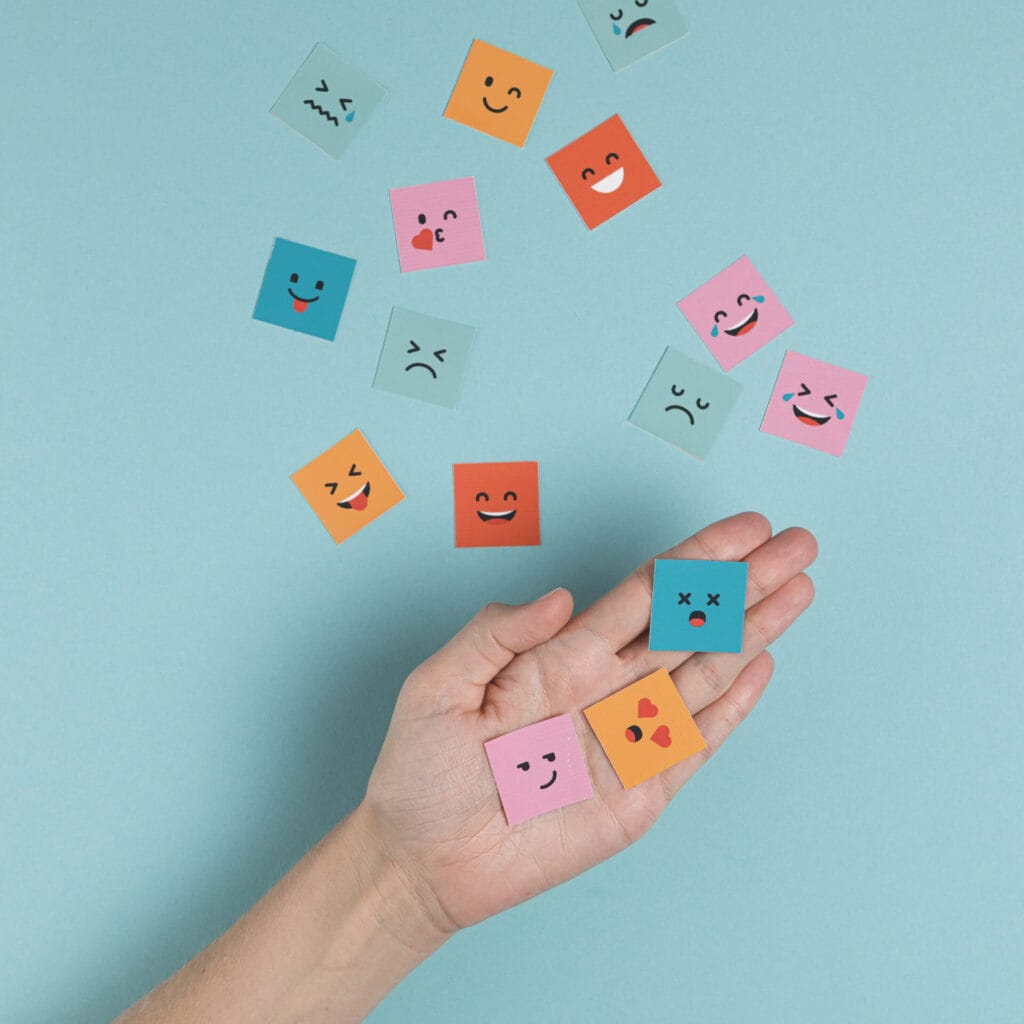
Emotions are psychological and physiological responses to internal or external stimuli that influence our mental and physical state. They are ubiquitous in our lives and play an essential role in how we relate to ourselves and others.
Their origin is a subject of interest and debate in the field of psychology. While some theories suggest that emotions are innate and genetically programmed, others believe that they are the result of individual experiences and learning. An integrative approach suggests that both aspects may contribute to their formation.
From an evolutionary perspective, emotions have played a crucial role in the survival of the human species. For example, fear was essential for identifying and avoiding danger, and joy reinforced behaviors that brought us benefits. These instinctual reactions were selected for in evolution to ensure survival and reproductive success.
In addition to genetic and evolutionary influences, the environment we live in and our life experiences have a significant impact on the formation and expression of emotions. Culture, education, interpersonal relationships, and traumatic or pleasant events are just a few of the factors that shape how we feel and react emotionally in different situations.
Brain chemistry also plays an important role in generating and regulating emotions. Chemicals such as neurotransmitters and hormones influence brain activity and, by extension, our emotional state. For example, dopamine is associated with feelings of pleasure and reward, while serotonin is linked to well-being and emotional balance.
These feelings have a wide range of functions and effects in our lives. They help us adapt to our environment, express our needs and desires, form social relationships, and make important decisions. However, sometimes they can become overwhelming or dysfunctional, leading to mental health problems such as anxiety, depression or behavioral disorders.
Thus, emotions are an essential part of the human experience, being influenced by a variety of biological, psychological and social factors. Understanding and managing them appropriately is the key to a balanced and healthy life.
The difference between emotions and feelings
Although often used interchangeably, there is a subtle difference between emotions and feelings. Emotions are immediate and instinctual reactions to stimuli, while feelings are cognitive interpretations and evaluations of emotions. Emotions are fleeting and intense, while feelings are more stable and complex.
Examples of emotions include joy, sadness, anger, fear, surprise, and disgust. They can be felt as physical sensations in the body, such as heart palpitations, sweating, trembling, or muscle tension. They are often considered to be universal to a certain extent, meaning that people from different cultures can experience the same emotions in similar contexts.
Feelings, on the other hand, are considered more complex and enduring than emotions. They are the result of an individual's interpretation and evaluation of emotions and can be influenced by previous experiences, context, and personal beliefs. Feelings often involve a deeper cognitive component and can be less intense and more subtle than emotions. For example, if you feel joy when you receive good news, the feeling of contentment and happiness you experience afterward can be considered a feeling.
Essentially, emotions are immediate and instinctual reactions, while feelings are the result of the process of interpreting and evaluating previous ones. However, the terms "emotion" and "feeling" are often used interchangeably in everyday language, and the distinction between them can vary depending on the context and psychological perspective.
Types of emotions
Emotions can be classified in a variety of ways, either by their intensity—from intense emotions like anger or fear to more subtle emotions like contentment or sadness—or by their valence, the positive or negative sense of the experience. They can also be classified according to their function in our lives, such as emotions that help us navigate the social world, adapt to change, or protect us from danger. This diversity of emotions reflects the richness and depth of human experience.
The 6 basic emotions
Among the most fundamental human emotions are:
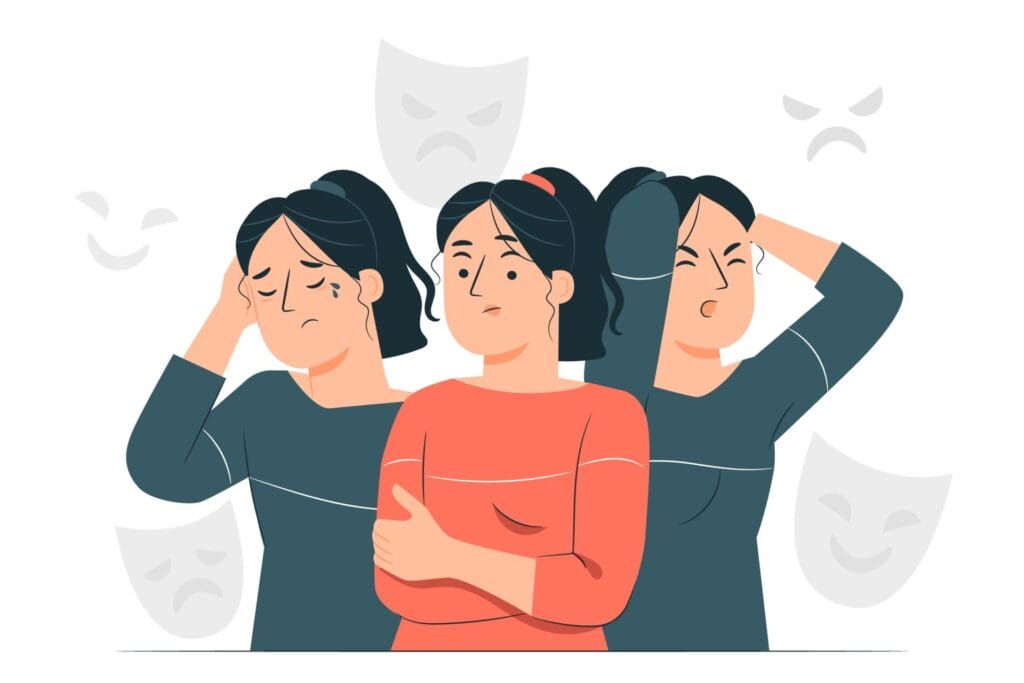
Anger as an emotion
Anger is one of the most intense and primitive human emotions, activated in situations where we feel that our personal integrity or what we hold dear is being threatened or violated. This emotion can be triggered by a variety of factors, such as a perceived injustice, frustration, disappointment, or a threat to ourselves or our loved ones.
The experience of anger can range in intensity from mild irritation to explosive and destructive rage. Physical manifestations of anger can include heart palpitations, muscle tension, rapid breathing, and an increased level of agitation. Mentally, anger can be accompanied by thoughts of revenge or the desire to respond aggressively.
However, it can also be a useful and adaptive emotion in certain situations. It can mobilize the individual to act to protect or defend their personal interests and values. However, its proper management is essential, as aggressive or violent manifestations can have negative consequences for interpersonal relationships and overall well-being.
That's why learning anger management techniques, such as stress-relieving techniques, effective communication, and peaceful conflict resolution, is crucial to managing and channeling this emotion in a constructive and healthy way.
Sadness as an emotion
Sadness is a deep and complex emotion that can be experienced in different situations and life contexts. It is often associated with feelings of melancholy, loss, and disappointment, and can be triggered by events such as the loss of a loved one, failure to achieve a goal, or negative life changes.
Sadness manifests itself not only on an emotional level, but also on a physical level, and can be accompanied by fatigue, lack of energy, sleep problems, and loss of appetite. It can also affect the ability to concentrate and motivation for regular activities.
It is important to note that this is a natural and healthy emotion that is part of the human experience. It can also have important functions, such as facilitating the emotional healing process and providing a moment of introspection and reflection on one's own life and relationships.
However, when sadness becomes overwhelming and persistent, and negatively affects daily activities and quality of life, it may be advisable to seek the help of a mental health professional to receive appropriate support and treatment.
Despite the discomfort it can cause, sadness can offer us the opportunity to grow and learn to know ourselves better, connect with others, and value the moments of joy and gratitude in our lives.
Surprise as an emotion
Surprise is a fleeting and spontaneous emotion that occurs when we encounter something unexpected or a sudden change in our environment. It can be triggered by positive or negative events and can take various forms, from amazement and joy to confusion or fear.
When we are surprised, we often have an immediate and automatic reaction, which may include opening our eyes wide, stretching our mouth in a smile, or putting on an expression of astonishment. This reaction is often followed by a process of assessing the situation and integrating the new information into our perception of the world.
Surprise can serve multiple functions in our lives. It can help us be more attentive to our environment and react quickly to changes or potential dangers. It can also contribute to increased alertness and interest in exploring and learning new things.
Although it can sometimes be associated with feelings of uncertainty or discomfort, in general it is a neutral or even pleasant emotion that adds variety and dynamism to our life experience. It is important to be open and approach surprises with curiosity and adaptability, learning from them and growing as individuals in the process of adapting to life's inevitable changes.
Fear or dread as an emotion
Fear or the fear is one of the most powerful and primitive human emotions, playing a crucial role in the survival of our species. It is triggered by imminent danger or situations that pose a risk to personal safety and can range in intensity from mild anxiety to overwhelming panic.
When we are faced with something that scares us, our bodies react with a series of physiological changes designed to prepare us to fight or flee. These changes include an increase in heart rate, increased breathing, dilation of the pupils, and the release of adrenaline into the bloodstream, preparing us to react quickly to the threat.
Fear can be triggered by a variety of stimuli, including real or perceived dangers, such as social or emotional situations that make us feel vulnerable or threatened. While it can be useful in certain situations, as an adaptive response to danger, excessive or chronic fear can become paralyzing and negatively affect quality of life and mental well-being.
It is important to confront this constructively and learn to manage it in a healthy way. This process may include relaxation and anxiety-calming techniques, gradual exposure to situations that scare us to reduce overreactions, and learning stress management and problem-solving strategies.
Also, understanding the origin and meaning of fear can be helpful in overcoming it. Sometimes it can be related to traumatic experiences from the past or irrational thoughts and beliefs. By exploring and confronting these aspects, we can free ourselves from the constraints of fear and live a freer and more fulfilling life. trust.
Disgust as an emotion
Disgust is a strong and distinct emotion that occurs when we are exposed to stimuli that we perceive as disgusting or repulsive. This emotion can be triggered by a variety of factors, such as unpleasant odors, the appearance or taste of certain foods, socially unacceptable behaviors, or contaminated objects.
When we experience disgust, our body may react by inducing unpleasant physical sensations, such as nausea, shivering, or the feeling of vomiting. We may also feel a strong desire to move away from the source of disgust and avoid anything touch with with her in the future.
This emotion has an important adaptive function, helping us avoid substances or behaviors that could endanger our health. For example, the disgust reaction to spoiled food protects us from consuming substances that are potentially dangerous to our health.
However, in some cases, this reaction can be irrational or excessive, interfering with our ability to interact appropriately with our environment or with others. In such situations, it is important to analyze and understand the reasons and origins of this feeling in order to be able to manage the emotion in a healthy and balanced way.
It is also important to recognize that what disgusts us can vary depending on culture, personal experiences, and individual beliefs. What may be considered disgusting in one culture may be perfectly acceptable or even delicious in another. By being aware of these differences and the subjectivity of emotion, we can develop greater understanding and tolerance for the perspectives of those around us.
Happiness as an emotion
Happiness is one of the most pleasant and desired human emotions, characterized by a state of deep well-being and satisfaction. It is triggered by experiencing events or situations that bring us joy, pleasure, or fulfillment, and can be felt in a variety of ways, from relief and contentment to ecstasy and euphoria.
When we are happy, our bodies may respond by releasing chemicals like endorphins, dopamine, and serotonin, which contribute to feelings of happiness and well-being. This emotional state may be accompanied by pleasant physical sensations, such as smiling, muscle relaxation, and an overall feeling of relief and comfort.
Happiness can be triggered by a variety of factors, such as achieving a personal goal, spending time with loved ones, experiencing moments of joy and laughter, or even simply appreciating the beauty around us. It is important to note that the sources of happiness can be different for each individual and can vary depending on personal values, interests, and aspirations.
Although happiness is often associated with positive events or external achievements, it is important to recognize that it can also be an intense and lasting state that can be cultivated through healthy practices and attitudes, such as gratitude, compassion, and mindful presence in the present moment.
Additionally, it is important to understand that happiness is not a permanent state or immune to life’s challenges. It is normal to experience other emotions, such as sadness or frustration, and these can even contribute to a deeper understanding and appreciation of happiness when we do feel it. By accepting and embracing all aspects of the human experience, we can cultivate a state of balance and emotional well-being in our lives.
Why is it important to understand emotions better?
Understanding emotions is crucial to our emotional health and happiness. The ability to recognize, understand, and manage our emotions allows us to better adapt to difficult situations, maintain our interpersonal relationships, and make wise decisions in our personal and professional lives.
Once you learn to manage your emotions you will enjoy:
- Effective communication: Knowing your own emotions and being able to express them appropriately helps effective communication of our needs, desires, and limitations towards others. Also, understanding the emotions of others helps us communicate and interact empathetically and better understand their perspectives and experiences;
- Stress Management: A good understanding of these helps us to manage stress more effectively and cope with life's challenges. The ability to identify and express our emotions allows us to find healthy ways to manage them and regulate our emotional responses in difficult situations;
- Healthy interpersonal relationships: Understanding these contributes to the development of healthy interpersonal relationships. The ability to recognize and respond to the emotions of others appropriately promotes stronger and more authentic bonds, based on trust, respect, and open communication;
- Decision-making: Emotions play an important role in decision-making. Understanding them and how they influence thinking and behavior helps us make more informed and wise decisions that are aligned with our personal values and goals;
- Mental well-being: A good understanding of emotions contributes to greater mental and emotional well-being. The ability to manage and regulate emotions allows us to maintain our emotional balance and focus on the positive aspects of life, thus contributing to an overall state of happiness and satisfaction.
How can we manage our emotions correctly?
There are several strategies and techniques we can use to manage our emotions correctly and healthily:
- Awareness of them: The first step in managing them is awareness and recognition of them. If we learn to identify and name the emotions we experience we will be able to manage them more effectively;
- Accepting them: Accepting that they are a natural and inevitable part of the human experience is crucial. Trying to deny or repress them can intensify negative emotions and lead to negative mental health consequences;
- Regulating emotional responses: Once we have become aware of and accepted our emotions, we can use emotional response regulation techniques to manage their intensity and duration. These techniques may include deep breathing, meditation, positive visualization, or exercise;
- Analyzing and evaluating: Trying to understand the reasons and origins of our emotions can help us to manage them constructively. By analyzing the circumstances and our personal interpretations of events, we can find healthier ways to respond to our emotions;
- Effective communication: Expressing emotions appropriately and in a safe environment can be beneficial for managing them. Open and honest communication with loved ones or a therapist can help release them and find solutions to the issues that triggered them;
- Self-care: Paying attention to our physical and emotional needs through self-care practices, such as adequate rest, healthy eating, regular physical activity, and making time for hobbies and enjoyable activities, can help maintain emotional well-being;
- Seeking professional help: If these become overwhelming or significantly interfere with our daily lives, it is recommended that we seek the help of a therapist or counselor to receive appropriate support and guidance in managing them.
By applying these strategies and techniques to our daily lives, we can develop solid emotion management skills and cultivate a greater state of emotional and mental well-being.
Conclusions
Emotions are powerful guides on our journey through life. Understanding them gives us the opportunity to better understand ourselves and others, improve our relationships, and reach our full potential in all aspects of our lives. By exploring and managing our emotions consciously, we can transform our life experience and improve our quality of life!