
The 5 Emotional Wounds is a concept developed by Canadian author Lise Bourbeau in her book titled “The Five Emotional Wounds and How to Heal Them.” These wounds represent traumatic experiences and emotions from childhood that can affect a person’s development and emotional state in the long term.
In Lise Bourbeau's perspective, each person carries with them five fundamental emotional wounds, resulting from certain types of negative childhood experiences. These wounds can influence the way we relate to ourselves and others, determining recurring behaviors and emotional patterns in our lives. Identifying and becoming aware of these emotional wounds is an essential step in the process of healing and personal development.
The 5 wounds that prevent us from being ourselves, Lise Bourbeau – eMAG.ro
The 5 Wounds That Prevent Us from Being Ourselves – Lise Bourbeau – 9786069050460 – Libris
What is an emotional wound?
An emotional wound is a psychological or emotional suffering resulting from a traumatic or difficult experience in the past. These wounds can have their origins in events such as trauma, abuse, loss, rejection, or other stressful situations that have strongly affected a person's emotional state.
The characteristics and manifestations of emotional wounds can vary depending on the individual and the nature of the traumatic experiences. In general, emotional wounds can affect how a person perceives themselves, how they interact with others, and their ability to cope with life's stresses and challenges.
Here are some common characteristics of emotional wounds:
- Persistent pain: Emotional wounds can cause persistent pain and negatively influence a person's emotional well-being in the long term.
- Impact on relationships: Emotional wounds can affect interpersonal relationships, causing the individual to develop unhealthy behavior patterns or avoid emotional closeness.
- Self-criticism and negative self-image: People with emotional wounds may tend to constantly criticize their own actions and develop a negative self-image.
- Difficulties in managing emotions: Emotional wounds can lead to difficulties in managing emotions, causing exaggerated reactions to stressful or conflictual situations.
- Influence on mental and physical health: Emotional wounds can contribute to mental health problems, such as anxiety and depression, and can also influence a person's physical health.
What are emotional blocks?
Emotional blocks are obstacles or stagnations in the normal flow of a person's emotions. These blocks can be the result of traumatic experiences, the suppression of emotions, or the inability to express and manage them in a healthy way. Emotional blocks can impact a person's well-being, interpersonal relationships, and overall health.
Here are some examples of emotional blockages and how they can affect the individual:
- Suppression of emotions: Some people may develop emotional blocks by inhibiting or denying their emotions. This can lead to a buildup of emotional tension and difficulty managing stress.
- Unresolved traumas: Traumatic experiences from the past can generate significant emotional blockages. People who have not had the opportunity to express and process their grief may face persistent blockages that affect their quality of life.
- Fear of rejection or judgment: Some people may develop emotional blocks out of fear of being rejected or judged for expressing their emotions. This fear can prevent openness and honest communication in relationships.
- Lack of emotional awareness: Sometimes individuals are unaware of their emotions or ignore them. This can lead to a loss of connection with themselves and an inability to understand and adequately manage their own feelings.
- Excessive perfectionism: People who seek perfection may suppress their emotions to appear strong and competent in the eyes of others. This can create emotional blockages and lead to emotional fatigue.
What are the 5 emotional wounds?
The book "The 5 Emotional Wounds" identifies the following five wounds:
- Abandonment: This type of hurt occurs when we feel unloved or rejected. It can lead to a fear of being alone or an exaggerated need to seek the approval of others;
- Rejection: This wound refers to experiences of rejection or neglect from childhood, which can affect our later relationships and our ability to receive love;
- Humiliation: Humiliation occurs when we are criticized or humiliated in a way that negatively affects our self-esteem. It can lead to an exaggerated fear of making mistakes or being judged;
- Betrayal: This wound occurs when we trust someone and are betrayed. It can generate a fear of opening up and trusting others in the future;
- Injustice: Injustice refers to the feeling that we are being treated unfairly or that we are not receiving the recognition or reward we deserve. It can lead to resentment and a sense of unfulfillment.
What does each emotional wound represent?
The wound of abandonment
The wound of abandonment is one of the five emotional wounds. This wound occurs when we feel rejected, neglected, or abandoned in some way. This experience can have its origins in childhood and can persist into adulthood, affecting relationships and self-esteem.
Those who carry this wound may develop certain behaviors as defense mechanisms. They may become very dependent on relationships, having an intense fear of being left alone. Or, conversely, they may choose to emotionally distance themselves from others to avoid the potential for rejection.
Rejection wound
Rejection wound is another important player in the five emotional wounds. This wound occurs when we experience rejection or neglect in one form or another. It can grow its roots in childhood and then persist into adulthood, affecting relationships and self-esteem.
Individuals who carry this wound may exhibit certain behaviors as defense mechanisms. They may constantly need the approval of others to feel valuable and may avoid conflict or criticism to avoid rejection. They may also develop a pattern of repressing their own needs and feelings to avoid rejection by those around them.
🔊 So, discover how you can reach a healthy relationship with a woman much easier! Learn the art of seduction! Sign up for a session now FREE 1-on-1 to learn the secrets of successful dating.
The Wound of Injustice
This is also one of the five emotional wounds. This wound occurs when we feel that we are being treated unfairly or that we are not receiving the recognition and reward we deserve in a certain context. It can have roots in childhood experiences or events in adult life that have created the feeling of injustice.
People who carry this wound may develop specific behaviors as defense mechanisms. They may be extremely sensitive to any perception of injustice and may react with indignation or resentment. They may also have high expectations of others and feel that life is not giving them what they deserve.
The Wound of Betrayal
The wound of betrayal is also one of the five emotional wounds. This wound occurs when we trust someone and are betrayed or abandoned. It can have its origins in childhood experiences or in adult relationships that created the feeling of betrayal.
Individuals who carry this wound may exhibit certain behaviors as defense mechanisms. They may become cautious in their relationships with others, having difficulty opening their hearts and developing trust. They may also develop a fear of getting deeply involved in relationships or having high expectations of others, in order to avoid the risk of betrayal.
The Wound of Humiliation
The wound of humiliation is another important player in the five emotional wounds. This wound occurs when we are criticized, humiliated, or feel inferior in front of others. The origins of this wound can be found in childhood experiences or events that have damaged self-esteem and created the feeling of humiliation.
People who carry this wound may develop specific defense mechanisms. They may avoid situations in which they feel vulnerable or develop a strong outer mask to hide their feelings of inferiority. They may also constantly seek approval and validation from others to compensate for the humiliation they feel.
The 5 emotional wounds – the 5 childhood wounds that prevent you from being yourself in interaction with women, seduction, etc.
🔊 So, discover how you can heal the 5 emotional wounds much more easily! Learn the art of healing! Sign up for a session now FREE 1-on-1 to learn the secrets of successful healing.
Why is healing the 5 emotional wounds important?
Healing emotional wounds is essential for many aspects of our lives. Here are some important reasons:
- Mental well-being: Untreated emotional wounds can contribute to mental health problems such as anxiety, depression, and chronic stress. Healing these wounds can improve overall well-being and quality of life;
- Healthy relationships: These can influence how we relate to others. If we have unhealed wounds, we can bring these negative emotions into relationships, affecting their quality and causing conflict;
- Authenticity and self-confidence: Healing emotional wounds allows us to be more authentic and live our lives in a way that is more congruent with our true values and desires. Greater self-confidence can emerge when we free ourselves from the burden of past wounds;
- Resilience: Healing emotional wounds makes us more resilient. When faced with life's challenges, we have a greater capacity to cope and recover quickly, without the wounds of the past preventing us from moving forward;
- Meaningful life: Emotional wounds can prevent us from living our lives to our full potential. By healing them, we can discover meaning and purpose in our experiences, which contributes to a more fulfilling and satisfying life;
- Blocking the transgenerational cycle: Emotional wounds can be passed down through generations. By healing them, we can help break this cycle and create a healthy environment for future generations;
- Self-knowledge and personal development: The process of healing emotional wounds often involves deep self-knowledge and personal development. A better understanding of the self and the roots of wounds can lead to significant personal growth.
Healing emotional wounds is an individual process, but it can bring significant transformations in all aspects of our lives, contributing to a deeper state of well-being and a more authentic connection with ourselves and others.
How do we heal our 5 emotional wounds?

Healing emotional wounds is a complex and individual process, but there are some general strategies and approaches that can be helpful, such as:
- Awareness and acceptance: The first step is to become aware and accept that we have emotional wounds. Recognizing and accepting the emotions associated with these wounds is an essential factor in beginning the healing process;
- Exploring origins: Understanding the origins of wounds is crucial. Exploring the events and experiences that contributed to their formation can provide a clearer perspective on how they have affected our lives;
- Therapy: Counseling or therapy are valuable tools in the healing process of emotional wounds. A qualified therapist can provide support, guidance, and a safe space to explore and address these issues;
- Practicing self-care: Paying attention to our physical, mental, and emotional needs is essential. Making time for activities that bring joy and peace, such as exercise, meditation, or hobbies, can help heal emotional wounds;
- Forgiveness: Forgiveness does not necessarily mean approving of the behavior that caused the hurt, but rather releasing the burden of resentment and anger. Forgiveness can be an important step in the healing process;
- Setting healthy boundaries: Learning to set healthy boundaries in relationships and in everyday life is essential. Saying “no” when necessary and setting clear boundaries can help protect and heal the self;
- Seeking social support: Sharing experiences with trusted people, whether close friends, family members, or support groups, can provide support and perspective;
- Developing resilience: Building the ability to cope with stress and overcome difficulties is essential. Developing resilience often involves building healthy stress management strategies and coping mechanisms.
A good start would be the course I prepared for the 5 emotional wounds, click below:
https://barbatulsuperior.ro/acasa/superior-alpha-man/
What is the difference between your book and Lisa Bourbeau's?

In this e-book, "The 5 Emotional Wounds", I discuss characteristics, signs from a man's point of view in relationships with people, and especially in relationships with women.
I present characteristics from my experience in touch with with the women I encountered every day and the mental patterns that surfaced when a "mental button" was pressed by that woman.
I want to offer value and see how you react unconsciously, through different mental patterns that you have integrated since childhood, especially towards women, but also towards men.
You can read both. The information in both books can help you become more self-aware.
The book "The 5 Emotional Wounds" can be downloaded for free here:
If you want, I also made a video course with other signs for each wound, which can help you become much more aware of yourself. Maybe you don't like reading, but you like watching a video or listening:
https://barbatulsuperior.thinkific.com/courses/golurile-emotionale
What are emotional blocks? What are emotional blocks?
Emotional blocks are obstacles or constraints to expressing and managing emotions. They can arise for a variety of reasons, such as past trauma, negative experiences, or difficulties managing emotions. Emotional blocks can prevent a person from expressing their emotions in a healthy or effective way, which can impact their well-being and interpersonal relationships. It is important to explore and understand these blocks in order to better manage emotions and improve your mental health.
I recommend you watch the video below:
How does an emotional wound manifest itself?
I recommend you watch the video below:
How does an EMOTIONAL WOUND manifest? ❌ The Superior Man ✅ – YouTube
Emotional wounds can take many forms, and each person experiences them differently. However, there are some common signs of emotional wounds:
- Changes in mood: A significant change in mood may occur, including periods of sadness, anxiety, or irritability;
- Social isolation: The affected person may avoid social interactions or withdraw into themselves, finding it difficult to connect with others;
- Problems in relationships: Emotional wounds can affect interpersonal relationships, causing difficulties in communication, trust, or emotional closeness;
- Evasive behaviors: Sometimes people may try to cope with emotional wounds through evasive behaviors, such as excessive drinking, addictions, or avoiding problems;
- Difficulties in regulating emotions: It can be difficult for a person with emotional wounds to regulate their emotions in a healthy way. There may be exaggerated reactions or, conversely, an apparent lack of reaction to emotional events;
- Negative self-evaluation: People with emotional wounds may have a damaged self-image, having negative thoughts about themselves and often feeling worthless or insignificant.
Where can I download the book "The 5 Emotional Wounds?"
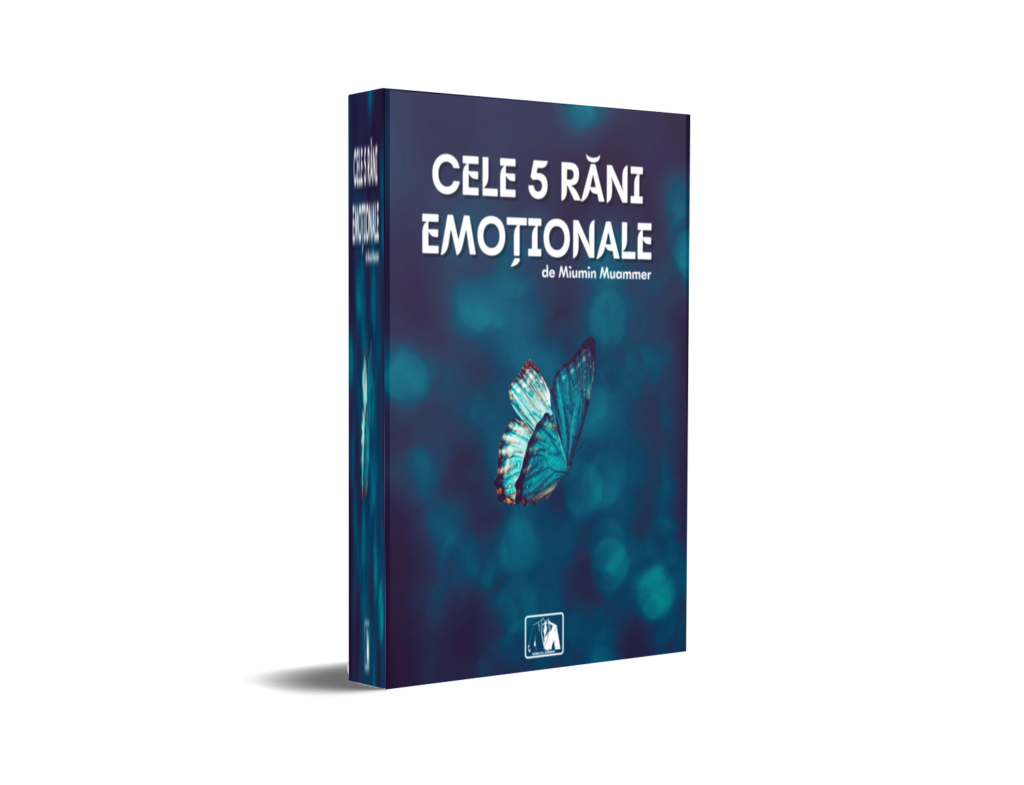
You can download the book that I personally wrote for free from the link below:
The 5 Emotional Wounds by Lise Bourbeau
Lise Bourbeau, author of “The Five Emotional Wounds and How to Heal Them,” identifies five emotional wounds that can affect our emotional health and well-being. Here is a summary of these five wounds:
- Rejection: They occur when a child feels that they are not loved or accepted for who they are. This hurt can lead to a constant need to be appreciated and loved by others.
- Abandonment: It refers to the feeling of being left alone, neglected, or abandoned during childhood. People with this wound may develop a fear of being alone and may constantly seek out relationships to avoid loneliness.
- Self-hatred: It occurs when a child perceives that they are constantly being rejected or criticized. This wound can lead to a negative self-image and constant self-criticism.
- Deception: It refers to the feeling of being deceived, betrayed, or wronged in childhood. People with this wound may have difficulty building trust in others and may be constantly suspicious.
- Humiliation: It occurs when a child feels constantly humiliated or put in a negative light. This wound can lead to an exaggerated need for appreciation and a fear of being judged or criticized.
Lise Bourbeau suggests that recognizing and becoming aware of these emotional wounds are the first steps in healing them. She also offers suggestions and techniques for overcoming these wounds and building healthy relationships with oneself and others.
How do the 5 emotional wounds affect us on all levels?
The five emotional wounds identified by Lise Bourbeau can affect individuals on multiple levels, influencing aspects of their personal, relationship, and professional lives. Here is how these emotional wounds can affect them on different levels:
Personal plan
Rejection: People with this wound may develop difficulty expressing their authenticity and may seek constant approval from others.
Abandonment: It can lead to a fear of forming authentic relationships or excessive dependence on others to avoid loneliness.
Self-hatred: It manifests itself through constant self-judgment and a negative self-image, affecting confidence and self-esteem.
Deception: People with this wound may have difficulty building trust in others and may exhibit exaggerated suspicion in relationships.
Humiliation: It can lead to avoidance of exposure and fear of being judged or criticized, affecting personal and professional development.
The relational plan
All five wounds can influence how individuals build and maintain relationships. They may have difficulty developing authentic and healthy connections, being prone to conflict and communication difficulties.
The constant need to receive approval and love or, conversely, withdrawal and avoidance of relationships can be consequences of these wounds.
Professional plan
Emotional wounds can affect an individual's confidence and ability to engage positively in the professional environment.
Self-judgment and fear of being rejected or humiliated in the work environment can limit professional development and contribute to stress and anxiety.
Health plan
The stress and anxiety associated with these emotional wounds can affect an individual's physical and mental health.
The reduced ability to manage negative emotions can contribute to health problems such as digestive disorders, insomnia, or other stress-related conditions.
It is important to emphasize that the impact of these wounds can vary from individual to individual and that recognizing and addressing them can contribute significantly to personal healing and growth.
Conclusion
If the 5 emotional wounds appeal to you, congratulations! You will have many discoveries along the way.
🔊 So, discover how you can heal the 5 emotional wounds! Learn the art of healing! Sign up for a session now FREE 1-on-1 to learn the secrets of successful healing.