

Do you go from joy, extreme energy, and happiness to sadness for no reason?
Bipolar disorder manifests itself through extreme emotions in your mind, but it also infiltrates normal states that can say: "Shhhhttt! Don't tell anyone, we have nothing!".
It's as if a rocker with her headphones turned up to the max and a yogi meditating in Bali were sitting in the same chair. Paradoxical, right?
Sometimes they are related to the point where you don't know if you want to be the calmest person today or maybe suddenly jump off the highest peak of a mountain. Add sadness, symptoms of depression and disorders like ADHD, add even more and in conclusion you have bipolar disorder.
This is what the ATLAS Mental Health Specialist says Psych Bogdan Pîrtoaca.
What is bipolar disorder? What does bipolar disorder mean?
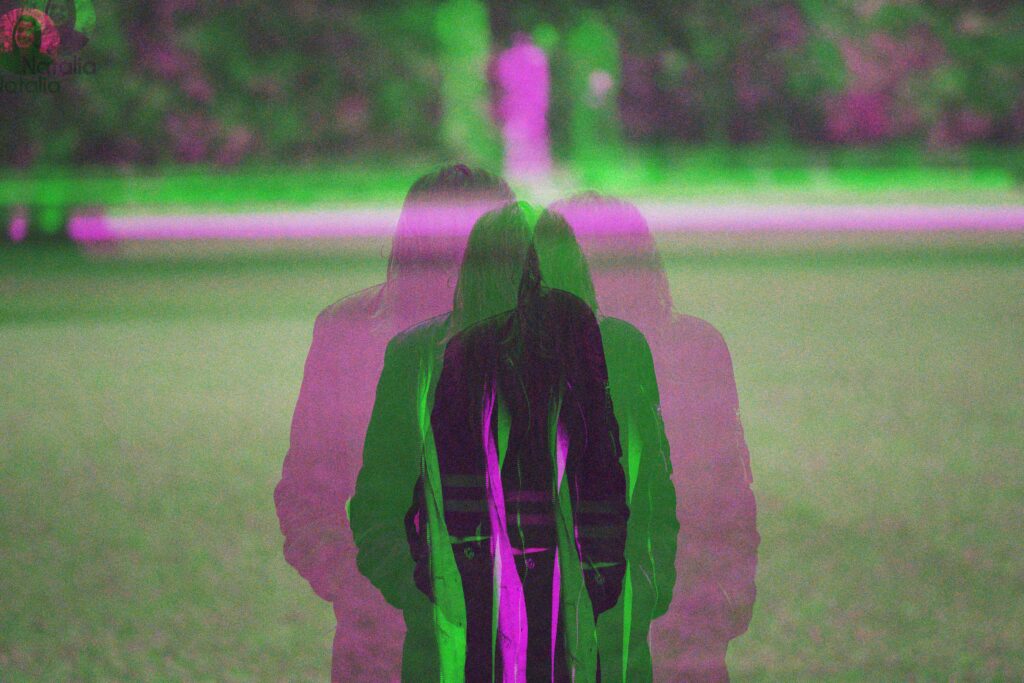
Also known as bipolar affective disorder, it is a mental condition characterized by intense and dramatic changes in mood, energy, and activity. People with bipolar disorder may experience episodes of anger or hypomania and episodes of depression.
Bipolar disorder is not a rare condition, on the contrary, it is one of the most common affective disorders globally.
Conform World Health Organization, approximately 60 million people worldwide are diagnosed with bipolar disorder. In Romania, the number of cases of bipolar disorder was 154.265 in 2017, according to the website Our World In Data.
This disorder is a condition in which the brain is unable to regulate mood or disposition.
Due to this typology, the person diagnosed with bipolar disorder may have prolonged states of sadness and lack of energy (depressive episodes or bipolar depression), followed by intense periods of good mood, hyperenergy, euphoria or nervousness (manic episodes).
Beyond patterns, it is not the transition from one spectrum of affective states to another, but rather the extremity at which they are experienced. The sudden and extreme change in mood can affect a person's sleep, energy, activity, behavior, and/or ability to think logically.
What are the types of bipolarity?
Bipolar disorder is divided into several types and subtypes, but the most common categories are Bipolar I Disorder, Bipolar II Disorder, and Cyclothymia.
Here is a more detailed description of each type:
- Bipolar Disorder Type I:
- It is characterized by the presence of at least one episode of anger or mixed (anger combined with depression) lasting at least one week or requiring hospitalization;
- Episodes of anger can be severe, with symptoms such as increased energy, decreased need for sleep, rapid thinking or lack of concentration, and impulsive behaviors.
- Bipolar Disorder Type II:
- It involves episodes of major depression and hypomania. Hypomania is a milder form of anger, characterized by less severe symptoms;
- People with Bipolar Disorder Type II do not have full-blown episodes of anger, but they may experience significant changes in mood and activity.
- Cyclothymia:
- It is a milder form of bipolar disorder, characterized by less severe episodes of hypomania and depression;
- The symptoms of cyclothymia do not meet full criteria for major depressive or angry episodes.
To solve this problem, I recommend the course I created – THE SUPERIOR ALPHA MAN INNER WORLD – which will help you in this regard. Everything that is outside of you is actually inside of you.
🔊 or discover how you can reach that man you once were to attract women much more easily or have a healthy relationship with yourself! Sign up for a session now FREE 1-on-1 to learn how to resolve bipolar personality.
How does bipolar disorder occur? – Causes of bipolar disorder

The exact causes of bipolar disorder are not yet fully understood and involve a complex combination of genetic, biological, neurochemical, and environmental factors. However, it is believed that there are several factors that contribute to the development of bipolar disorder.
Some of these factors are:
- Genetics: There is a significant genetic component associated with bipolar disorder. The risk of developing bipolar disorder is higher in people who have family members with the condition. However, not all people with a family history of bipolar disorder develop the illness, and some people without such a history may experience the condition;
- Chemical imbalances in the brain: The pathology is associated with imbalances in brain chemicals called neurotransmitters, such as serotonin, dopamine, and noradrenaline. These imbalances can contribute to episodes of anger and depression;
- Structural changes in the brain: Neuroimaging studies have indicated that people with bipolar disorder may exhibit changes in brain structure, particularly in areas involved in regulating emotions and behavior;
- Stressful life events: Life stress and trauma can also play a role in triggering episodes of bipolar disorder in those who are genetically predisposed. Events such as the loss of a loved one, work-related problems, or similar events can contribute to episodes characterized by anger or depression;
- Circadian rhythm imbalances: It can be influenced by disruptions in the circadian rhythm, which regulates sleep and wake cycles. Jet lag, sleep deprivation, and other disruptions to the circadian rhythm can influence the course of bipolar disorder.
There is no single factor that causes bipolar disorder.
The interaction between genetic and environmental factors contributes to the occurrence and development of this condition.
What are the symptoms of bipolar disorder?
Bipolar disorder is characterized by intense and dramatic changes in mood, energy, and activity. Symptoms can vary depending on the type and severity of the episodes, but the most common in people struggling with bipolar disorder are anger and depression.
Manic Episode:
- Elevated mood:
- Euphoria or excessive irritability;
- The feeling of being "at the peak of happiness" or "invincible."
- Increased energy:
- High levels of activity and agitation;
- Impulsivity and lack of inhibitions.
- Quick thinking:
- Rapid and interrupted speech;
- Accelerated thinking, with difficulty concentrating on a single activity.
- Decreased need for sleep:
- The ability to function with very little sleep, without experiencing excessive fatigue.
- Increased sexual activity:
- Increased sexual desire or risky sexual behaviors.
- Impulsive behavior:
- Impulsive decision-making and taking big risks;
- Excessive spending.
Depressive Episode:
- Low mood:
- Persistent sadness, feeling of hopelessness or emotional emptiness;
- Loss of interest or pleasure in usual activities.
- Reduced energy:
- Constant fatigue and weakness;
- Decreased activity level.
- Difficulty concentrating:
- Problems with memory and concentration;
- Difficult decisions and slow information processing.
- Changes in sleep routine:
- Insomnia or hypersomnia (excessive sleep);
- Difficulty falling asleep or staying awake.
- Changes in appetite:
- Weight loss or gain, associated with changes in appetite.
- Suicidal thoughts:
- Recurrent thoughts about death or suicide.
How is bipolar disorder treated? Is bipolar disorder curable?
Bipolar disorder can be treated. It is a long-term condition that requires ongoing care. People who have four or more episodes of mood swings in a year, or who also have problems with drugs or alcohol, may have forms of the illness that are much harder to treat. Either way, here are some steps to get you started:
1. Psychological therapy:
- Cognitive behavioral therapy (CBT): This form of therapy helps people with bipolar disorder understand and manage the thoughts and behaviors associated with episodes of anger and depression;
- Interpersonal therapy: It focuses on improving interpersonal relationships and managing mood swings that can affect social life.
2. Lifestyle Management:
- Routine: Maintaining a regular routine for sleep, eating, and activity can help maintain mood stability;
- Avoiding psychoactive substances: Alcohol and other psychoactive substances can affect emotional balance and interact with medications;
- Social support: Support from family, friends, and support groups can be essential in managing bipolar disorder.
3. Medications:
For some people who have a severe form of bipolar disorder, their doctor may prescribe medication to stabilize the illness, such as:
- Mood stabilizers: Medications such as lithium, divalproex sodium, carbamazepine, and lamotrigine are used to maintain mood stability and prevent angry or depressive episodes;
- Antipsychotics: Certain antipsychotics, such as aripiprazole, olanzapine, and risperidone, may be prescribed to control anger symptoms;
- Antidepressants: While antidepressants may be prescribed to treat symptoms of depression associated with bipolar disorder, they are often used with caution and in combination with mood stabilizers to avoid the risk of inducing episodes of anger.
Warning. Do this only under the supervision of a specialist. Our site is not responsible for the subsequent actions you take. We do not represent or provide medical advice, but we represent the therapy or coaching side. Do not avoid asking for the help you want.
To resolve bipolar disorder, I recommend the course I created- THE SUPERIOR ALPHA MAN INNER WORLD – which will help you in this regard. Everything that is outside of you is actually inside of you.
🔊 or discover how you can reach that man you once were to attract women much more easily or have a healthy relationship with yourself! Sign up for a session now FREE 1-on-1 to learn how to resolve bipolar personality.
The bipolar woman

Bipolar disorder affects men and women equally, and symptoms and treatment do not vary by gender. However, there are certain aspects of bipolar disorder that may be significant in women, especially in the context of menstrual cycles, pregnancy, and menopause.
Here are some relevant aspects for women with bipolar disorder:
- Menstrual cycle: Some women with bipolar disorder report changes in their symptoms during their menstrual cycle. For example, episodes of anger or depression may be more pronounced during certain phases of the menstrual cycle;
- Task: Managing bipolar disorder during pregnancy can be complex. Certain medications used to treat bipolar disorder may pose potential risks to the fetus. It is important for women who have bipolar disorder and are planning a pregnancy to talk to their doctor to make informed decisions about treatment and management;
- Postpartum: Women with bipolar disorder may be at higher risk of developing postpartum mental health disorders. It is crucial to closely monitor mental health during the postpartum period and seek medical help if symptoms of depression or anger arise;
- Menopause: Hormonal changes associated with menopause can affect the course of bipolar disorder. It is important to discuss this with a mental health professional to tailor treatment accordingly;
- Oral contraceptives: Certain oral contraceptives may affect the response to drug treatment for bipolar disorder, and this should be discussed with your doctor.
The bipolar man
As mentioned above, bipolar disorder affects both men and women. Symptoms and treatment do not vary by gender.
Here are some relevant aspects for men who have bipolar disorder:
- Presentation of symptoms: In men, episodes of anger can sometimes be more obvious than depression. This can cause men to seek medical help later, as the symptoms may initially be perceived as more tolerable or even beneficial;
- Comorbidities: Men with bipolar disorder may be at higher risk of developing comorbidities such as substance use disorders, impulse control disorders, or anxiety disorders;
- Behavioral risks: During episodes of anger, men may exhibit risky or impulsive behaviors, such as excessive spending, risky sexual behaviors, or substance use;
- Response to treatment: Response to treatment may vary from person to person. Men may respond differently to certain medications or therapies;
- Stress sensitivity: Men with bipolar disorder may be more susceptible to stress, which can contribute to triggering angry or depressive episodes.
Conclusion
To resolve bipolar disorder, I recommend the course I created – THE SUPERIOR ALPHA MAN INNER WORLD – which will help you in this regard. Everything that is outside of you is actually inside of you.
🔊 or discover how you can reach that man you once were to attract women much more easily or have a healthy relationship with yourself! Sign up for a session now FREE 1-on-1 to learn how to resolve bipolar personality.
I mention again that we do not offer medical advice, but only advice regarding guiding you towards the easiest and longest-term therapeutic healing possible.