Mother-child relationship
Today we're talking about your relationship with your mother.
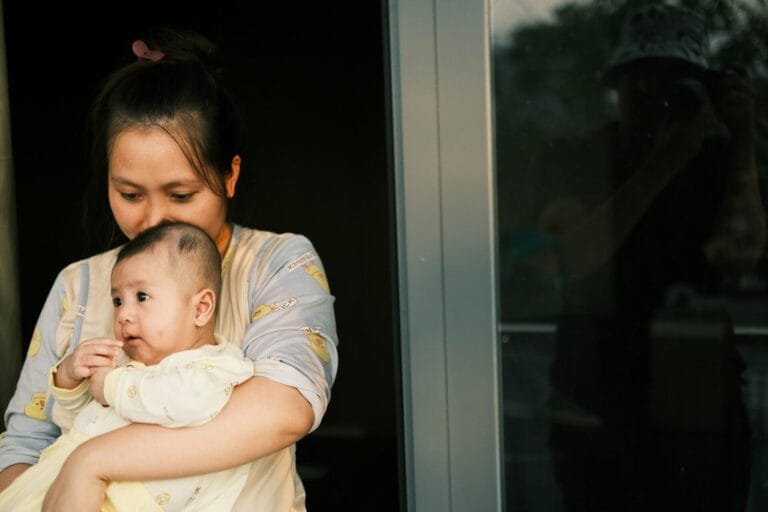
The role of the mother is very important in the life of a child and the connection between them begins in the intrauterine period. Throughout pregnancy, the fetus relates with its whole being to one thing, namely the mother. Thanks to this connection, the child is nourished and develops, but more than that, it lives through the lens of the mother and her experiences throughout pregnancy.
Every emotional state of the mother, whether positive - happiness, joy, gratitude or negative - sadness, anger, anxiety, will be felt and experienced by the child in turn. The child is connected to its mother by what is called the umbilical cord, which is cut at birth, but how do we explain that after birth the child still feels the mother's states and reacts to them?
How do we explain the fact that throughout our lives we keep and share and can be influenced by our mother's feelings? Psychologists would call this phenomenon addiction or emotional attachment, I like to call it an energetic cord, but here we enter a much larger and more exciting discussion and I will save it for later.
Because this relationship is closely linked, the child will know through his mother the first form of affectivity and interaction in this physical world. The child, future adult, will learn through this connection how to interact with the people in his life and if this dynamic is not a healthy one the child will develop different dysfunctional behavioral patterns or different forms of attachment.
Because the mother is the attachment figure, she plays a very important role in his development, strengthening his sense of security and developing a secure relationship for the child.
Dysfunctional behavioral patterns in the relationship with the mother
Controlling mother
This is the type of mother who does not give the child intimate space and who exaggerates her involvement in the child's life. She does not accept anything being hidden from her, being lied to, she wants to know everything all the time. This type of mother's behavior generates a future submissive, introverted, self-confident adult who will seek validation from others at every step for any decision she makes and any action she takes.
Mother with punishments
This behavior is abusive in every way because it believes that this is the best method of correction. This type of behavior will force the child to protect themselves and will do so through rebellion, aggression, lying, or even stealing.
The Perfectionist Mom
This will ask the child to meet some demands and standards that are far too high, forcing the child to put in far too much effort for himself. The child will not be able to meet the mother's expectations and will focus on the negative side of things, giving in and giving up on certain things or tasks because he thinks he is not good enough for anything anyway.
Insecure mother
This constantly oscillates between "yes" and "no", does not take a firm stance and does not set healthy limits to correct the child's behaviors, generating various forms of anxiety or aggression in him.
Tolerant mother
She is overindulgent towards the child and develops a "spoiled" attitude as we popularly call it. The child will not develop the ability to face life's challenges alone and will not know how to manage their frustrations by throwing them at others. This type of attitude will generate hostile behavior in the child because throughout life not everyone will fulfill their desires and expectations.
Mom with sideburns
That mother who shows more interest in one child, perhaps because he is smaller than the rest, and no longer pays attention to the other children. This type of behavior can discourage or arouse a thought in the other children "mom doesn't love me anymore" or at the other extreme can develop unhealthy competition towards the younger sibling and later as an adult, in social life.
Overprotective mother
She pampers the child even at an older age and there are cases in which she does this even when the child is 30 years old. The mother has a continuous concern for the protection of the child and her whole life has this compulsive goal. This behavior of the mother stimulates the appearance of anxious states, disappointments, phobias, obsessions and blocks the maturation of the child, stagnating him at a young age from an emotional point of view.
All these behaviors and ways of relating form future adults who will thus learn to interact with the people around them.
If we take the time to meditate a little, we can easily realize that attachment is a need, not a desire. We need interactions to survive emotionally and beyond.
What is attachment style??
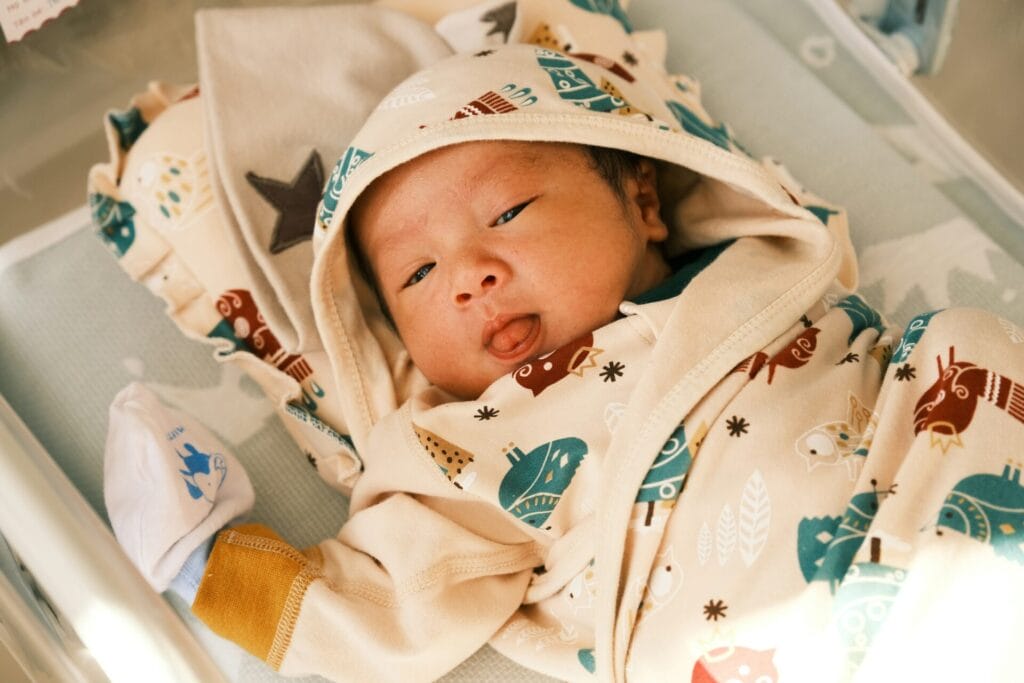
Attachment is a long-term pattern of relationship that an individual establishes with a close person. Attachment styles that cause distress are formed when the child's need is not met by its mother.
Attachment styles
Secure attachment: You get attached easily, you are not afraid to be alone, you do not panic in case of rejection, you have high emotional intelligence and you can contain and express your feelings. In case of a breakup, you feel pain and you can manage it so that you come back faster. You know your own value and personal power.
Anxious attachment: suffers greatly in the event of rejection or separation and fears loneliness. She feels fear and insecurity in any type of relationship and often becomes suffocating or insistent to fulfill her emotional needs. They can be a little obsessive, jealous or controlling. They need constant love and can use criticism when their partner does not meet this need.
Avoidant attachment: is the one who rejects, the one who keeps a distance in emotional interactions. He does not like hugs or physical closeness of any kind. They can have an independent spirit, do not want to get involved in relationships, want to do everything themselves and more than that prefer to isolate or be alone.
Disorganized attachment: goes very quickly from one emotion to another, this may be because in childhood the parents were inconsistent, that is, they punished the child too much or satisfied his needs in excess. For this reason, the individual with such an attachment may present impulsive acts in the relationship from aggression to alcohol consumption. In an extreme, this type of attachment contains elements that favor the appearance of borderline disorder.
If you want to read more about attachment types -> 4 Attachment Styles – Discover What Your Style Is (barbatulsuperior.ro)
The good news is that these types of attachment can be healed, of course through therapy. To reach a secure attachment style, you can learn even if you did not have a model in childhood, from a partner with this type of attachment. It takes work and will, to want to change these patterns that have caused you suffering so far in order to enjoy a happy and harmonious life with a suitable partner. Whoever said that love heals, well, they were right.
Deep down we all yearn for love, it is what nourishes our soul and more. When we have a stable, happy relationship and receive proof of love: hugs, caresses or support, our brain releases dopamine and oxytocin which are hormones of happiness and love. This way the body self-regulates and functions better.
It is important to want this change so that you can take action towards it. There is nothing wrong with wanting to live a happier and more harmonious life primarily with yourself, and it is okay to ask for help in this regard.
You are not alone and you are supported!