

EDUCATIONAL GUIDE · SEXUAL HEALTH · RESEARCH
Updated on June 25, 2026 Author: Miumin Muammer
Quick answer: Orgasm is a subjective experience of intense pleasure, often associated with changes in breathing, muscle tension, and rhythmic contractions of the pelvic floor, but the manifestation varies from person to person. In women, orgasm, female ejaculation, and squirting are different phenomena: they can occur together, separately, or not at all. Neither penetration, nor the release of fluid, nor a specific visible reaction alone prove that orgasm has occurred.
Medical and editorial note: This article is educational and intended for adults. It is not a substitute for the evaluation of a gynecologist, urologist, family doctor, pelvic floor physiotherapist, or licensed sex therapist. For sexual health material, it is recommended that it be reviewed by an actual medical professional. Pain, bleeding, numbness, urinary leakage that causes concern, sudden changes in sexual function, or persistent and bothersome difficulties should be discussed with a specialist.
The female orgasm has been transformed by popular culture into a performance test: the woman should reach a spectacular climax, and the man should "produce" it. This perspective creates pressure, shame, and a lot of confusion. The woman may end up wondering if she is "normal," and the man may interpret every reaction as a mark on his masculinity.
Mature sexuality does not work like an exam. Pleasure is influenced by anatomy, type of stimulation, emotional safety, health, relationship, medication, stress, and context. Sometimes orgasm occurs, sometimes it does not. Sometimes it is intense, sometimes it is subtle. Sometimes there is ejaculation or squirting, and sometimes there is no release at all. All of these variations can be normal.
In working with men, one of the most important changes occurs when the goal is no longer “to prove I’m good,” but “to be present, to listen, and to build a safe experience together.” At that point, the partner’s feedback no longer hurts the ego; it becomes useful information.
This guide explains, in clear language, What is the female orgasm?, how it differs from female ejaculation and squirting, what role the clitoris plays, why some women have difficulty reaching orgasm, why mimicry occurs, and when medical or psychosexual help is indicated.
Content
- What is orgasm?
- What happens in the body and brain
- The female orgasm and the role of the clitoris
- Are there multiple types of orgasms in women?
- How does orgasm manifest in women?
- Orgasm, female ejaculation and squirting
- Male orgasm and ejaculation
- Female orgasm versus male orgasm
- How women reach orgasm
- The REPER method for pressure-free pleasure
- Sexual communication that really helps
- Why a woman may not have an orgasm
- What is anorgasmia?
- What help options are there?
- Why some women fake orgasms
- How do you know if your partner has had an orgasm?
- The benefits of orgasm: what we know and what we exaggerate
- Myths and reality
- Frequent asked questions (FAQs)
- Conclusion
What is orgasm?

Orgasm is a peak experience of sexual pleasure, perceived in the body and brain. It can occur during masturbation, stimulation with a partner, penetration, or some combination of touches. It does not necessarily involve penetration, ejaculation, a particular position, or spectacular behavior.
From a physiological perspective, orgasm can include involuntary contractions of the pelvic floor muscles, increased heart and respiratory rates, changes in muscle tension, and then a feeling of release. From a psychological perspective, it can be experienced as intense pleasure, a temporary loss of control, closeness, relaxation, or simply a strong local sensation.
The definition, however, must be kept flexible. Not everyone has the same contractions, the same duration, the same intensity, or the same after-feeling. Some orgasms are deep and diffuse, others are short and focused. Some come after a long buildup, others more quickly. Diversity does not mean abnormality.
Is orgasm the same as "finishing"?
In everyday conversation, the phrase "to come" is used to refer to orgasm, ejaculation, or both. Medically, these phenomena must be separated. In men, orgasm and ejaculation often occur almost simultaneously, but they are distinct processes. In women, orgasm can occur without the release of fluid, and ejaculation or squirting can occur without a simultaneous orgasm.
Is orgasm mandatory for sex to be successful?
No. Orgasm can be a valuable experience, but it's not the only criterion for a good sexual encounter. Pleasure, safety, connection, play, closeness, and the freedom to say "yes," "no," or "slow down" matter just as much.
When orgasm becomes a chore, attention shifts from sensation to evaluation: “is it happening?” “why is it taking so long?” “am I disappointing you?” This monitoring can reduce arousal and make orgasm more difficult. Paradoxically, an experience focused solely on the outcome can actually push away the very outcome you’re after.
What is happening in the body and brain?
Sexual response is not a linear mechanism that is identical for all people. Arousal, desire, pleasure, and orgasm are simultaneously influenced by the body, brain, relationship, and context.
During arousal, the following may occur:
- increased blood flow to the genitals;
- congestion of clitoral and vulvar tissues;
- vaginal lubrication, although the amount does not necessarily indicate desire or consent;
- increased tactile sensitivity;
- acceleration of pulse and breathing;
- muscle tension and involuntary movements;
- increased attention to sexual stimuli.
As orgasm approaches, some people feel a pleasant build-up of tension, followed by rhythmic contractions and release. Others describe waves, warmth, tingling, or a sensation that spreads from the pelvic area to the rest of the body. After orgasm, relaxation, increased sensitivity, drowsiness, energy, or a desire to continue may occur.
Substances such as dopamine, oxytocin, and endogenous opioids participate in the sexual response, but it is a mistake to reduce a complex experience to a single “hormonal explosion.” The brain does not function as a reservoir that automatically releases a standard dose. Reactions differ depending on the person, the relationship, the type of stimulation, and the moment.
The "accelerator and brake" model
A useful metaphor is that of the accelerator and the brake. The sexual system can receive signals that increase arousal—pleasant touch, fantasy, closeness, safety—and signals that inhibit it—fear, pain, stress, shame, pressure, fear of pregnancy, or lack of intimacy.
Sometimes the problem is not that the “accelerator” is too weak, but that the brake is being pressed too hard. In these situations, more intensity does not solve the problem. Conversation, safety, time, lubrication, pain relief, or pressure relief may be more important.
The female orgasm and the role of the clitoris
The clitoris is the central organ of female sexual pleasure. The visible part—the clitoral glans—is only a portion of a larger structure, which includes the clitoral body and internal branches located around the vaginal vestibule.
Therefore, the terms "clitoral orgasm" and "vaginal orgasm" can create the false impression that there are two completely separate systems. Penetration can indirectly stimulate clitoral structures through pressure, tissue movement, and touch with with the anterior vaginal wall. For many women, however, direct or indirect external stimulation of the clitoris is important.
A representative study of adult women in the United States found that only 18,4% of participants said that vaginal penetration alone was enough for them to orgasm. About 36,6% indicated that clitoral stimulation was necessary during penetration, and another 36% said that it was not mandatory but made orgasm more enjoyable. These figures are not universal rules, but they do contradict the myth that a woman "should" reach orgasm through penetration alone. The Herbenick et al. study It also highlights the diversity of preferences regarding the location, pressure, rhythm and pattern of touch.
What does this information mean for a couple?
This means that there is no “right” movement for all women. Some prefer direct touch, others indirect. Some prefer constant pressure, others movement. Some enjoy penetration with concurrent clitoral stimulation, and others prefer external stimulation without penetration.
Instead of memorizing a technique, learn to observe and question. Consistency can matter more than variety; a sudden change just when the pleasure is peaking can interrupt the build-up.
Are there multiple types of orgasms in women?
Lists of “seven,” “eleven,” or even “twenty types of orgasm” appear on the Internet. A more rigorous approach is to talk about different stimulation pathways and contexts, not about independent organs that each produce a completely distinct orgasm.
The subjective experience may differ depending on the region stimulated, rhythm, position, psychological state, and combination of stimuli. However, popular classifications do not always represent validated medical categories.
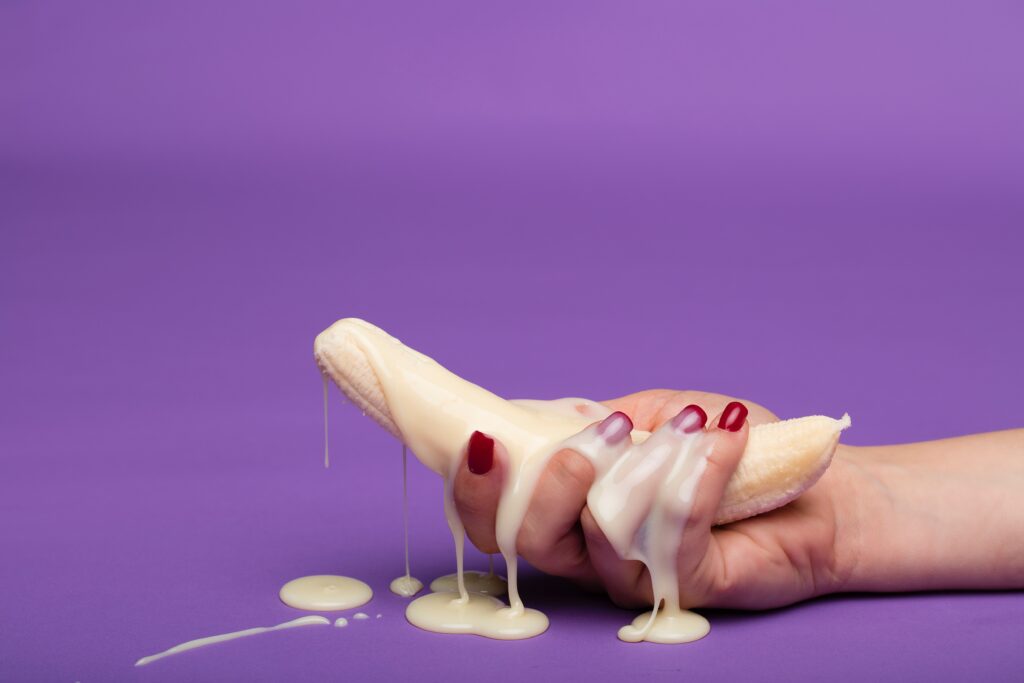
Orgasm through clitoral stimulation
It is achieved by direct or indirect stimulation of the clitoris. It can occur through manual touch, oral sex, vibrators, external friction, or movements that bring the pelvis closer together. For many women, it is the most predictable route to orgasm.
Orgasm associated with vaginal penetration
Some women reach orgasm during penetration, with or without conscious external stimulation. This experience may involve indirect stimulation of the clitoris, the anterior vaginal wall, pelvic pressure, rhythm, and emotional context. Calling it a "pure vaginal orgasm" may oversimplify the anatomy.
Orgasm by stimulating the anterior vaginal wall
The region popularly called G-spot It is located on the anterior wall of the vagina, near the urethra and internal structures of the clitoris. For some women, pressure in this area is intensely pleasurable; for others, it is neutral or uncomfortable. There is no one "button" that is identical on all bodies. For anatomy and myth-free exploration, check out our dedicated guide to G-spot in women.
Combined orgasm
The term is used for experiences in which multiple areas are stimulated simultaneously, such as the external clitoris and vagina. Some women describe their orgasm as being different or more intense, but this experience is not mandatory and does not represent a "higher" level.
Multiple orgasm
Multiple orgasms are repeated orgasms within a relatively short period of time, with a rapid return to arousal. It does not necessarily mean stimulating multiple areas simultaneously. The ability, frequency, and desire to continue varies greatly among women. Some become overly sensitive after the first orgasm and prefer to pause or stop.
Orgasm in sleep
Some people can experience orgasm during sleep, sometimes associated with erotic dreams. It is a possible phenomenon and does not require conscious genital stimulation.
Exercise-related orgasm
The literature describes experiences of arousal or orgasm associated with certain exercises, particularly those that involve the abdominal and pelvic floor muscles. These are rare contexts and are not a form of training recommended for "guaranteed" orgasm.
Orgasm by stimulating breasts or other erogenous zones
There are women who report orgasm or very intense pleasure from stimulation of the nipples, breasts, or other areas. The answer is individual. It is not necessary to prove that an experience falls into a separate anatomical category for it to be real and valuable.
What is problematic about rigid classifications?
Rigid classifications can turn curiosity into pressure. A woman may feel like she's "missing" certain orgasms, and her partner may start chasing results instead of listening. The useful question is not "what type should we get?" but "what sensations are pleasurable for you right now?"
How does orgasm manifest in women?
There is no single sign that confirms orgasm. Manifestations may include:
- rhythmic contractions of the pelvic muscles;
- change in breathing and heart rate;
- muscle tension followed by relaxation;
- involuntary movements;
- increased sensitivity of the clitoris or other areas;
- vocalizations, silence, laughter, crying, or no obvious expression;
- sensation of warmth, waves, or tingling;
- the desire for closeness, pause, sleep or continuation.
None of these reactions are mandatory. Moans can occur without orgasm, and orgasm can be experienced quietly. Some women have subtle, hard-to-see contractions; others have obvious bodily reactions. Squirting is not automatic evidence of orgasm, and its absence says nothing about the quality of the experience.
How long does a female orgasm last?
Duration varies and is difficult to measure precisely, as subjective experience does not perfectly match physiological contractions. Statements like “the female orgasm lasts exactly 20 seconds” are too rigid. Some orgasms are very short, others are described as longer waves, and multiple orgasms can make the delineation even more difficult.
Can a woman have an orgasm without being in love?
Yes. Orgasm is a psychophysiological response and does not automatically prove love, compatibility, or relationship security. Likewise, the absence of orgasm does not prove a lack of attraction. The body can respond or remain inhibited for many reasons that are not limited to feelings for a partner.
Orgasm, female ejaculation and squirting
These terms are frequently used as if they describe the same thing. Current research suggests that they are different phenomena, even though they may occur in the same context.

What is female ejaculation?
In the medical literature, female ejaculation usually describes the release of a small amount of fluid through the urethra, associated with secretions from the paraurethral glands, also called Skene's glands. The fluid may contain prostate-specific antigen — PSA — because these glands have characteristics similar to prostate tissue.
The amount is usually small and the appearance can vary. It is not required to occur at orgasm and is not a criterion for sexual satisfaction.
What is squirting?
Squirting describes the expulsion of a large amount of fluid, often clear, through the urethra. Scientific reviews indicate that the fluid originates primarily from the bladder and resembles diluted urine, sometimes with some contribution from the paraurethral glands. This does not mean that the experience is "fake" or shameful; it simply describes the likely physiological source.
A 2022 review separates female ejaculation — a small amount, rich in paraurethral secretions — from squirting — a larger amount, mainly from the bladder. Pastor's analysis emphasizes that phenomena may have similar timing but different mechanisms.
Is squirting the same as orgasm?
No. It can occur before, during, or after orgasm, and can exist without orgasm. A study of women's experiences reporting squirting found that the phenomenon was not always simultaneous with orgasm. The Hensel et al. study It also shows that the experience can be enjoyable for many participants, but it is not universal and does not appear identical every time.
Is squirting urinary incontinence?
They should not be automatically confused. Squirting, female ejaculation, and coital incontinence may have different sources and mechanisms. If fluid loss is unwanted, occurs frequently, is accompanied by urinary urgency, coughing, straining, or causes discomfort, uro-gynecological evaluation may be useful.
Can all women squirt?
We don't know that all women can or should be able to. Some small experiments have induced squirting in selected participants, but such results cannot be translated into a universal rule. Anatomy, sexual response, relaxation, and context differ.
Trying to "get" squirting at all costs can create feelings of urination, pain, shame, or pressure. If it occurs spontaneously and is comfortable, it can be accepted as part of the experience. If it does not occur, there is nothing missing from the woman's sexuality.
How can fluid removal be practically managed?
For comfort, the couple can use a washable pad or towel and discuss what is okay beforehand. The partner can urinate beforehand if it helps her relax, but there is no mandatory procedure. The important thing is not to turn the moment into a demonstration and not make her feel judged.
Male orgasm and ejaculation
In men, orgasm and ejaculation most often occur in close temporal proximity, but they are not the same process.
Ejaculation It involves, in simple terms, two phases:
- EMIS, when the seminal fluid is moved towards the urethra;
- expulsion, when muscle contractions expel sperm through the penis.
orgasm is the brain and body experience of intense pleasure. A man may, in some situations, have orgasm without ejaculation, ejaculation with reduced orgasmic sensation, or changes in ejaculation caused by medications, surgery, or medical conditions. A clinical review of male orgasm and ejaculation treats them as related but distinct processes. See medical analysis.
What is the refractory period?
After orgasm, many men enter a period where arousal and achieving a new erection are more difficult. The duration varies from minutes to hours or more, depending on age, health, context, and the person. Women may also experience hypersensitivity or a need for a break; the idea that all women are immediately ready for unlimited orgasms is another myth.
Can a man have multiple orgasms?
Yes, some people can experience repeated orgasms, sometimes by separating orgasm from ejaculation, but the phenomenon is not the norm and should not be used as a standard of performance. Research on male multiple orgasms shows great variability and little solid data for universal conclusions. Review available recommends caution in generalization.
Female orgasm versus male orgasm
| Aspect | Ladies | Barbie |
|---|---|---|
| Orgasm and ejaculation | May occur independently; fluid removal is not necessary | They frequently occur together, but are distinct processes |
| Frequently important stimulation | The clitoris, directly or indirectly; various combinations | The penis, but also other areas and the psychological context |
| Refractory period | There may be no or no hypersensitivity and need for a break. | Frequently present after orgasm/ejaculation |
| Multiple orgasm | Possible for some women | Possible for some men, less common |
| Manifestation | Highly variable; no universally visible sign | Variable; ejaculation does not measure the intensity of pleasure |
| difficulty | They can be related to stimulation, pressure, pain, medication, health, or relationship. | May include delayed/absent orgasm, premature/delayed ejaculation, pain, or erection changes |
The table describes trends, not rules. Individual differences are more important than gender stereotypes.
How do women reach orgasm?
There is no one-size-fits-all formula. For many women, a combination of safety, sufficient arousal, appropriate clitoral stimulation, consistent pacing, and communication increases the likelihood of orgasm. But even the best combination doesn't guarantee a result at any given time.

1. It starts with consent and safety
Consent must be free, informed, specific and reversible. A person can accept one form of contact and refuse another. They can say “yes” and then change their mind. Lack of opposition is not equivalent to desire.
Safety also includes protection against unwanted pregnancy and sexually transmitted infections. Constant fear can activate the sexual “brake.” For a broader perspective on consent, contraception, and protection, read the guide how to have safe sex.
2. Give time to arousal
"Foreplay" is not a formality before actual sex; for many couples, it's a central part of sex. Kissing, touching, conversation, fantasy, external stimulation, and gradual pacing can help the body become more receptive.
There is no magic number of minutes. Sometimes arousal occurs quickly, sometimes it takes longer. Rushing your body to follow a script often produces the exact opposite of relaxation.
3. Includes clitoral stimulation
Available data shows that for many women, penetration alone is not enough. Clitoral stimulation can be manual, oral, friction, vibrator, or angles that create external contact. Your partner is the best source of information about pressure, rhythm, and location.
4. Keep what works
When a woman says "so," it's not the ideal time to change technique out of a desire to be creative. Consistency of rhythm and pressure can allow pleasure to build. Change one element at a time and observe the response.
5. Reduce performance monitoring
The repeated question "are you done?" can become pressure. It's more useful to check comfort and preference: "Is this okay?", "Do you want me to continue like this?", "Slower or more pressure?".
6. Accept that sometimes orgasm doesn't occur
An experience can be enjoyable without orgasm. Acceptance does not mean giving up curiosity, but giving up the verdict. When the partner knows that she does not have to provide a result to protect the other's ego, communication becomes more honest.
The REPER method for pressure-free pleasure
To transform the principles into an easy-to-remember framework, you can use the method landmark:
R — Relaxation and safety
Check for desire, privacy, protection, and enough space to stop. Discomfort, fear, and rush are not obstacles to force through, but information.
E — Unhurried excitement
Give your body time. Don't assume that lubrication, an erection, or a vocal response automatically means the person is ready for whatever the next step is.
P — Communicated preferences
Simple questions are more useful than guessing. "What do you like now?", "Do you want it soft or firm?", "Do you want me to continue?" can be erotic when said naturally and without an interrogative tone.
E — Gradual exploration
Start gently and gradually change the pressure, pace, or type of stimulation. Don't try ten techniques at once and don't interpret intensity as quality.
R — Reciprocity and reassessment
Notice if the engagement is mutual and return for feedback. What was enjoyable yesterday may not be appropriate today. The body is not a machine with fixed settings.
Sexual communication that really helps
Sexual communication doesn't mean turning every moment into a technical meeting. It means creating a climate where you can both say what you like, what you don't like, and what you want to try without shame or emotional punishment.
A meta-analysis identified positive associations between sexual communication and sexual satisfaction, as well as relationship satisfaction. Mallory and collaborators They found relationships of moderate magnitude, but that doesn't mean that mere conversation guarantees orgasm. Communication helps because it reduces assumptions and allows for adaptation.
Another study on couples associated better sexual communication with higher orgasm frequency in women and higher sexual and relationship satisfaction for both partners. Dyadic study supports the idea that feedback is a relational skill, not a criticism.

Useful phrases before sex
- "What helps you feel safe and relaxed?"
- "Is there anything you don't want today?"
- "Do you like being asked in the moment or do you prefer simpler signals?"
- "What type of touch do you usually like?"
- "How do you tell me when you want us to slow down or stop?"
Useful phrases during sex
- "Is that comfortable?"
- "Do you want me to continue exactly the same?"
- "Lighter, firmer, or is it good like this?"
- "Do you want us to change something?"
- "We can stop anytime."
Useful phrases after
- "What did you like the most?"
- "Was there anything you would have liked to have done differently?"
- "You don't have to protect me; I'd rather know what works for you."
- "What would you like us to save for next time?"
What to avoid
Avoid accusatory or ego-centered questions:
- "Why didn't you have an orgasm?"
- "Would you have succeeded with anyone else?"
- "Are you sure you weren't faking it?"
- "I did everything I had to; what's your problem?"
These formulations turn vulnerability into defense and make communication less likely.
Why might a woman not have an orgasm?
The absence of orgasm in a given experience is common and does not automatically indicate a disorder. The causes may be temporary, situational, or persistent.
Stimulation does not match preferences
There may be arousal and pleasure, but the type, location, pressure, or pace of stimulation is not right. Penetration alone may not provide the necessary clitoral stimulation.
The excitement didn't have time to grow.
Rushing, changing techniques quickly, or moving on to penetration before your body is ready can limit pleasure.
Performance pressure
Thoughts like “I have to finish,” “It’s taking too long,” or “I’ll disappoint him” shift attention from the body to evaluation. The pressure can come from your partner, culture, pornography, or your own expectations.
Stress, anxiety or depression
Everyday stress, anxiety, depression, and fatigue can all affect desire, arousal, and orgasm. This doesn't mean the problem is "all in your head"; the brain is part of the sexual response.
Pelvic floor pain, dryness, or tension
Pain should not be ignored. Dryness, infections, endometriosis, vulvodynia, vaginismus, hormonal changes, or pelvic floor hyperactivity can make stimulation unpleasant and inhibit orgasm.
Medicines and substances
Some antidepressants, especially selective serotonin reuptake inhibitors, can delay or prevent orgasm. Other medications, alcohol, and some substances can affect sexual response. Do not stop or change your medication without your doctor's advice.
Medical or neurological conditions
Diabetes, multiple sclerosis, nerve damage, pelvic surgeries, vascular conditions, and other health problems can contribute. Sudden changes are worth evaluating.
Menopause and hormonal changes
Decreased estrogen can contribute to dryness, tissue changes, and discomfort. Not all women experience the same symptoms, and treatment options should be medically individualized.
Relationship and emotional security
Unresolved conflicts, lack of trust, fear of judgment, infidelity, pressure, or violence can affect sexual response. No technique can compensate for lack of safety.
Traumatic experiences
Sexual or emotional trauma can affect the body and the relationship with intimacy. The person should not be forced to "get over" the problem through impromptu sexual exposure. The support of a trauma-informed therapist can be important.
Asexuality is not a dysfunction
Asexuality is an orientation characterized by the absence or reduced level of sexual attraction. It is not synonymous with anorgasmia and should not be treated as a disease. An asexual person may or may not have desire, arousal, or orgasm; experiences are varied.
What is anorgasmia?
anorgasmia or female orgasmic disorder refers to absent, very delayed, rare or much less intense orgasms than the person would like, in the presence of adequate arousal and stimulation, and the situation causes significant distress.
This last part is essential: if a woman does not have an orgasm with every sexual intercourse, but is not bothered by it, it does not automatically mean that she has a disorder. Mayo Clinic emphasizes that the frequency, intensity, and stimulation required differ, and the diagnosis also depends on the distress experienced.
Types of anorgasmia
- Lifelong anorgasmia: the person has never experienced orgasm.
- Acquired anorgasmia: Orgasm was possible in the past, but has become difficult or absent.
- Situational anorgasmia: it only occurs in certain contexts, with a certain type of stimulation, or in a relationship with a certain partner.
- Generalized anorgasmia: The difficulty occurs in almost all contexts, including during masturbation.
These categories help with assessment, but the actual experience can be more complex. A woman may have an orgasm alone, but not with a partner; with clitoral stimulation, but not during penetration; at certain times of life, but not at others.
When is it worth asking for help?
It is advisable to talk to a professional when:
- the problem is persistent and causes suffering;
- appeared suddenly after a period without difficulty;
- there is pain, bleeding, severe dryness, or numbness;
- symptoms started after a new medication, surgery, childbirth, or menopause;
- there is unwanted urinary leakage;
- trauma, anxiety or relationship conflict affects intimacy;
- the difficulty produces significant tensions in the couple;
- there is also decreased desire, lack of arousal, or other medical symptoms.
Asking for help doesn't mean there's "something wrong" with the woman. It means the problem is worth understanding in context.
What help options are there?
Treatment depends on the cause. Sometimes sex education and changing the type of stimulation is sufficient. Other times, medical evaluation, treatment adjustment, individual or couples therapy, or pelvic floor physiotherapy are necessary.
Medical evaluation
A doctor may review sexual and medical history, medications, hormonal changes, pain, lubrication, and possible neurological or metabolic conditions. The clinical exam and investigations are chosen based on symptoms; there is no single test for orgasm.
If a medication seems to be involved, the discussion should be had with the prescriber. Stopping antidepressants abruptly or changing the dosage on your own can be risky.
Directed masturbation
Masturbation Guided is one of the supported behavioral interventions in the literature. The goal is to explore the body without the pressure to meet a partner's expectations, identify preferred stimulation, and then, if the person wishes, communicate this information as a couple.
It is not a mandatory “homework” and should not be used against the person’s values. In a therapeutic setting, exercises are tailored to the individual’s comfort and history.
Sensate focus
Sensate focus is a gradual approach for couples that shifts the focus from performance and penetration to touch, sensation, and communication. Exercises can begin with non-genital contact and progress gradually, without the need for orgasm. Mayo Clinic describes this method, along with guided masturbation, changing positions, and stimulation devices.
Sex therapy, psychotherapy and couples therapy
They can help when there is shame, performance anxiety, trauma, limiting beliefs, conflict, or difficult communication. A competent sex therapist does not impose activities, does not promise guaranteed results, and respects the person's boundaries and orientation.
Pelvic floor physiotherapy
It may be indicated when there is pain, excessive tension, weakness, incontinence or dysfunction after childbirth or interventions. Kegel exercises are not a universal solution: if the muscles are already too tense, more contractions can worsen the problem. Individual assessment is important.
Lubricants and devices
Lubricants can reduce friction and discomfort. For latex condoms, water-based or silicone-based lubricants are usually compatible options; oil-based products can damage latex. Vibrators or air-pulsing devices may help some women, but they are not required and do not “fix” a person.
Hormonal or drug treatments
There may be specific medical indications, for example for genitourinary symptoms of menopause, but the benefits and risks should be discussed with your doctor. There is no universal orgasm pill, and supplements promoted online often have weak evidence and may interact with treatments.
Why do some women fake orgasm?
Mimicry doesn't have a single cause. Some women fake it to end an experience, to avoid conflict, to protect their partner's ego, because they feel pressured, to seem "normal," or because they don't know how to explain what they like.
In a probability sample from the United States, 58,8% of women surveyed reported faking orgasm at least once. Of these, 67,3% said they were no longer faking it at the time of the study. Continued faking was associated with embarrassment in communicating about sex and less explicit communication. Study results It doesn't mean that the percentage is identical in all cultures, but it shows that the phenomenon is common enough to be discussed without shame.
Why can mimicry perpetuate the problem?
The partner receives false feedback and repeats the exact stimulation that doesn't work. The woman may feel like she has to continue the role, and the conversation becomes increasingly difficult. In addition, both partners may come to believe that sex is "successful" only if it has a demonstrable ending.
How do you react maturely if you find out he was faking it?
It's normal to feel surprise or disappointment. However, a defensive reaction—accusations, shame, questioning—confirms why the truth was difficult to tell.
A mature reaction might sound like this:
"Thank you for telling me. I don't want you to have to protect me. I'd rather understand what would help you feel freer and what we can do differently."
This doesn't mean ignoring the lack of honesty, but creating conditions for future honesty and discussing the reasons without turning the conversation into a lawsuit.
How can a woman give up mimicry?
It can start outside of sex, when the pressure is lower:
- "I realized that sometimes I pretend so as not to disappoint you."
- "I would like to take orgasm out of the obligation category."
- "It would be easier for me to show you what I like if we don't rush."
- "Sometimes I enjoy the experience even if I don't orgasm."
In a safe relationship, the truth should bring closerness, not punishment.
How do you know if your partner has had an orgasm?
There is no infallible external verification. Contractions, breathing, vocalizations, tension or relaxation may occur, but none is absolute proof. The only direct source is the person's reported experience.
Instead of looking for detective signs, build a relationship where the question can be asked without pressure:
- "How was it for you?"
- "Did you reach orgasm or was it more of a continuous pleasure?"
- "There's no answer you have to give me; I just want to understand you."
Why can the question "are you done?" be difficult?
The tone may suggest that there is a correct answer and that the partner is waiting for confirmation of his performance. A woman who has not had an orgasm may say "yes" to avoid embarrassment. Questions about experience are more useful than those about the verdict.
Can orgasm be "felt" by the partner?
Sometimes vaginal contractions can be felt during penetration, but not all orgasms have strong contractions, and voluntary contractions can be mistaken for orgasm. Do not use your own sensation as a diagnostic tool.
The benefits of orgasm: what we know and what we exaggerate
Orgasm is primarily a pleasurable experience, not a mandatory medical treatment. Some people report relaxation, temporary reduction in tension, a sense of well-being, closeness, and drowsiness. These effects are plausible and can be valuable, but they should not be turned into universal promises.
Relaxation and well-being
After orgasm, some people feel relaxed and in a better mood. The effect can be influenced by context, relationship satisfaction, safety, and expectations. Orgasm does not treat depression or anxiety and is not a substitute for psychological or medical care.
Sleep
Many people report feeling drowsy or sleeping more easily after orgasm, but the answer is not universal. It is not a standard therapy for insomnia.
Pain
Some people describe temporary relief of certain pains, including cramps or headaches, while others experience pain triggered by sexual activity or orgasm. New, severe, or recurring pain should be evaluated by a doctor.
Closeness and relationship satisfaction
Satisfactory intimacy can support closeness, and sexual communication is associated with sexual and relationship satisfaction. However, it is not accurate to say that orgasm “saved the relationship.” Relationships are built through respect, safety, communication, and compatibility, not through an isolated physiological response.
Immunity and "detoxification"
Claims that orgasms “boost immunity,” flush out toxins, or definitively prevent disease are often stronger than the evidence. The immune system cannot be accurately described by a single sexual response, and “detoxification” is a marketing term with no clear medical definition in this context.
Is it unhealthy not to have an orgasm?
No. A person does not become unhealthy just because they do not have orgasms or have them infrequently. If the absence of orgasm does not cause distress, it does not need to be medicalized. If it does cause distress, there are options for assessment and support.
What are the benefits of male ejaculation?
Ejaculation is a normal physiological process, but the internet sometimes attributes exaggerated benefits to it. There is no "must" frequency for health and it should not be used as a prescription.
A large observational study found an association between higher reported ejaculation frequency and a lower subsequent risk of prostate cancer diagnosis, particularly for low-risk forms. Cohort published in 2016 It does not prove that ejaculation prevents cancer and does not establish a medical dose. The association may be influenced by other factors.
Claims that ejaculation "cleanses the urinary tract," guarantees better sperm, or prevents benign prostatic hyperplasia should not be presented as certainties. For fertility, ejaculation frequency can be discussed in the context of a spermogram and doctor's recommendations, not through universal online rules.
Myths and reality
| Our preview of | Reality |
|---|---|
| A woman must have an orgasm through penetration | Many women need direct or indirect clitoral stimulation |
| Squirting proves a very intense orgasm | Squirting and orgasm can occur together or separately |
| All women can squirt if the technique is correct | There is no evidence that all women can or should be able to |
| The G-spot is an identical button in all women | The sensitivity of the anterior vaginal wall varies and the anatomy is complex. |
| Moans and contractions prove orgasm | No external sign is infallible; communication is essential |
| If the woman doesn't have an orgasm, the man has failed | Orgasm is influenced by many factors and does not measure the value of the partner |
| Orgasm and ejaculation are the same thing | There are distinct processes in women and men |
| Women can always have multiple orgasms | Some can, some can't; many need a break due to sensitivity |
| Lack of orgasm is always a disease | It becomes a clinical problem especially when it is persistent and causes distress. |
| More intensity means more pleasure | Sometimes low pressure, steady pace and safety are more important |
| Orgasm treats depression and definitely boosts immunity | It may produce temporary well-being, but it is not a cure and the evidence for such promises is limited. |
| Asexuality is the cause of dysfunction | Asexuality is an orientation, not an orgasmic disorder |
What can a grown man do?
A mature man does not turn his partner's orgasm into a trophy, nor his lack of it into an insult. He can:
- to ask and listen without defensiveness;
- to respect consent and stop at any time;
- include the stimulation that the partner prefers;
- not to change the pace when she says it's okay;
- to accept that sometimes orgasm does not occur;
- not to ask for demonstrations, squirting or theatrical reactions;
- encourage medical evaluation when there is persistent pain or changes;
- to manage their own performance anxiety;
- to consider pleasure a mutual process, not a unilateral obligation;
- to offer respect, care, and space for conversation after intimacy.
This attitude is not passivity. It is a form of mature leadership: you create safety, communicate clearly, and remain adaptable. For relational and emotional development, you can explore individual coaching, masculinity courses and the resources in The Superior Man appThese resources are not a substitute for medical care or sex therapy.
Frequent asked questions (FAQs)
What is the female orgasm?
A female orgasm is an experience of intense sexual pleasure, felt in the body and brain. It can include pelvic contractions, changes in breathing, and a feeling of release, but the manifestation varies greatly.
What does orgasm feel like for women?
It can be described as waves, pulsations, warmth, tension followed by relaxation, or concentrated pleasure in the pelvis. It is not the same sensation for all women, nor for the same woman every time.
How long does a female orgasm last?
There is no standard duration. It can be short or it can be experienced in longer waves. Measuring contractions does not fully capture the subjective experience.
What is the difference between orgasm and female ejaculation?
Orgasm is the experience of climaxing pleasure. Female ejaculation is the release of a small amount of urethral fluid, associated with the paraurethral glands. They can occur together or separately.
What is the difference between female ejaculation and squirting?
Female ejaculation is usually described as a small amount of fluid rich in paraurethral secretions. Squirting involves a larger amount of fluid, originating primarily from the bladder, sometimes with paraurethral secretions.
Is squirting urine?
Tests indicate that the squirting fluid comes mostly from the bladder and resembles diluted urine. This doesn't make it embarrassing and doesn't automatically mean incontinence.
Can there be squirting without orgasm?
Yes. Squirting can occur before, during, or after orgasm and can exist without simultaneous orgasm.
Can all women ejaculate or squirt?
There is no evidence that all women can or should be able to. The absence of these phenomena is normal and does not indicate a lack of pleasure.
Is vaginal orgasm different from clitoral orgasm?
The experience may be perceived differently, but the anatomy is interconnected. Penetration can indirectly stimulate clitoral structures. Classifying them into two completely separate orgasms is simpler than the biological reality.
Why don't many women reach orgasm through penetration alone?
For many women, penetration does not provide enough clitoral stimulation. Preferences regarding pressure, pace, and location of touch vary widely.
How many orgasms can a woman have?
There is no universal number. Some women can have repeated orgasms, others prefer to stop after one, and others do not have an orgasm in a given experience.
Is it normal to not have an orgasm every time?
Yes. It becomes a potential clinical problem when the difficulty is persistent, occurs despite appropriate stimulation, and causes significant distress.
What is anorgasmia?
Anorgasmia is the persistent difficulty in having orgasm, very delayed, rare, absent or greatly diminished orgasm, when the situation causes distress.
Can antidepressants prevent orgasm?
Yes, some antidepressants—especially SSRIs—can delay or inhibit orgasm. Treatment should not be stopped without talking to your doctor.
Can menopause influence orgasm?
Perhaps, through hormonal changes, dryness, discomfort or changes in sensitivity. The experience differs, and the treatment is individualized.
How can a couple increase the chances of female orgasm?
By safety, sufficient time for arousal, appropriate clitoral stimulation, consistent pacing, lubrication, feedback, and pressure relief. There is no guarantee.
How do you tell if a woman is faking an orgasm?
There is no surefire way to detect it. Trying to "catch" it can destroy trust. The best way is to build communication where the truth can be told without shame.
Can a woman have an orgasm without ejaculating?
Yes. Most female orgasms do not require visible fluid release.
Can a man have an orgasm without ejaculation?
Yes, in some situations orgasm can occur without ejaculation. If the change is new, persistent, or concerning, medical evaluation is indicated.
When is a medical consultation indicated?
When the difficulty causes distress, occurs suddenly, is accompanied by pain, bleeding, numbness, severe dryness, urinary symptoms, or began after a medication, procedure, or hormonal change.
Conclusion
Orgasm is not a prize, an obligation, or a test of one's worth. It is a complex, variable, and deeply personal response. In women, clitoral stimulation is central to many people, and penetration alone should not be treated as a universal standard. Female ejaculation and squirting are distinct phenomena from orgasm and do not measure the intensity or quality of pleasure.
The most important "technique" remains the combination of consent, curiosity, time, feedback, and the ability to let go of pride. When both partners feel free to tell the truth, pleasure no longer needs to be demonstrated. It can be explored.
If there are persistent difficulties, pain, or sudden changes, online information is just the beginning. Medical evaluation and, when appropriate, sex therapy can clarify the factors involved and provide tailored interventions.
For a broader approach to sexual health, you can continue with the article about how to have safe sex and the guide about G-spot in womenFor emotional and relational development, see the book Be a Man and resources about emotional wounds.
Scientific sources and readings
- Herbenick D. et al. Women's Experiences With Genital Touching, Sexual Pleasure, and Orgasm: Results From a US Probability Sample of Women Ages 18 to 94. Journal of Sex & Marital Therapy, 2018. PubMed
- O’Connell HE et al. Anatomy of the clitoris. Journal of Urology, 2005. PubMed
- Pastor Z. Female ejaculation and squirting as similar but completely different phenomena: A narrative review of current research. Clinical Anatomy, 2022. PubMed
- Rodriguez FD et al. Female ejaculation: An update on anatomy, history, and controversies. Clinical Anatomy, 2021. PubMed
- Hensel DJ et al. Vaginal Squirting: Experiences, Discoveries, and Strategies in a US Probability Sample of Women Ages 18–93. Journal of Sex Research, 2024. PubMed
- Mallory AB et al. Dimensions of couples' sexual communication, relationship satisfaction, and sexual satisfaction: A meta-analysis. Journal of Family Psychology, 2022. PubMed
- Jones AC et al. Sexual communication and orgasm frequency in couples. Archives of Sexual Behavior, 2018. PubMed
- Herbenick D. et al. Women's Experiences With Orgasm Faking, Sexual Pleasure, and Orgasm. Archives of Sexual Behavior, 2019. PubMed
- Mayo Clinic. Anorgasmia in women: Symptoms and causesUpdated in 2024. Mayo Clinic
- Mayo Clinic. Anorgasmia in women: Diagnosis and treatmentUpdated in 2024. Mayo Clinic
- Isaac WW et al. Male orgasm and ejaculation: a review of physiology and dysfunction. PubMed
- Rider JR et al. Ejaculation Frequency and Risk of Prostate Cancer: Updated Results with an Additional Decade of Follow-up. European Urology, 2016. PubMed