
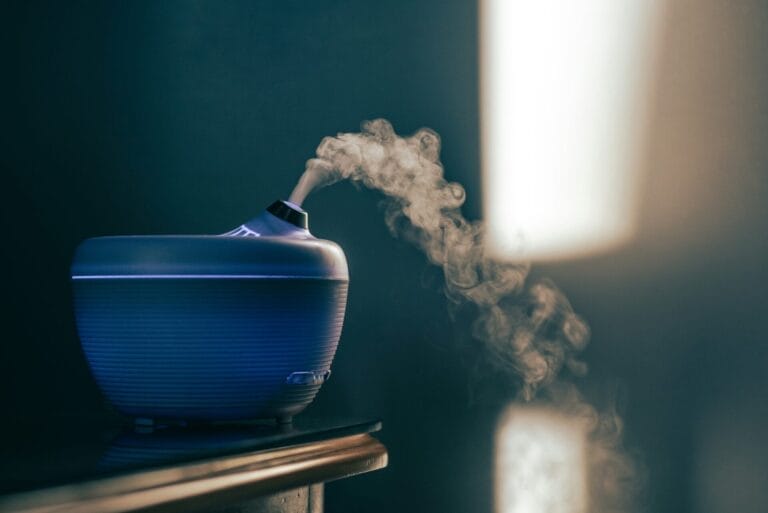
Aromatherapy, the practice of using essential oils extracted from plants to promote healing and well-being, has a rich and fascinating history spanning thousands of years. From ancient civilizations that revered the healing power of aromatic plants to modern scientific discoveries revealing the chemical complexity of essential oils, aromatherapy has come a long way from its humble origins.
The ancient roots of aromatherapy – Where does aromatherapy come from?
The use of aromatic plants for medicinal and ritual purposes dates back to ancient times. Archaeological evidence suggests that the Egyptians, Greeks, Romans, Chinese, and Indians used various aromatic plants to treat a variety of ailments, from muscle pain to digestive problems.
Egypt: The ancient Egyptians revered the healing power of plants and frequently used them in religious rituals, cosmetics, and embalming. The Ebers Papyrus, a medical text dating from around 1550 BC, contains numerous recipes that include aromatic plants such as frankincense, myrrh, and cumin.
Greece and Rome: The Greeks and Romans adopted many of the Egyptians' medicinal practices, including the use of herbs. Hippocrates, considered the father of modern medicine, recommended herbal baths to treat various ailments.
China: Traditional Chinese medicine places a strong emphasis on balancing the energies in the body, and certain aromatic herbs, such as ginseng and ginger, play an important role in this practice.
India: Ayurveda, the traditional Indian system of medicine, uses medicinal herbs and oil massages to balance the body and promote healing.
The Middle Ages and the Revival of Aromatherapy – How was aromatherapy reborn?
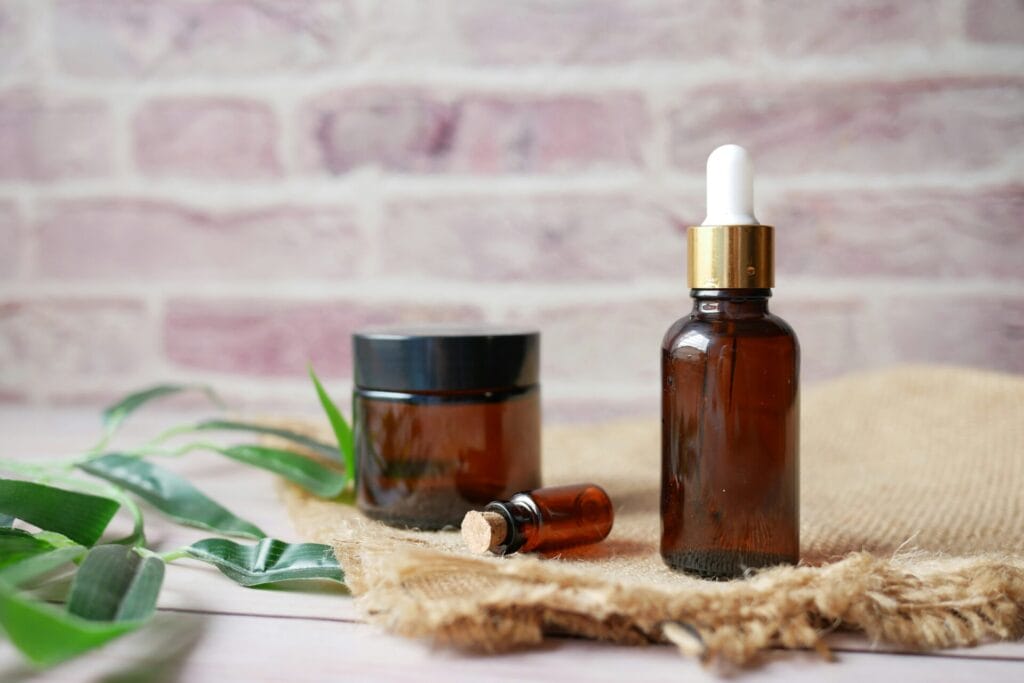
Throughout the Middle Ages and Renaissance, the use of aromatic plants continued to be popular, but was also influenced by religious doctrines and new scientific discoveries.
Aromatherapy in religion: Monasteries played an important role in preserving knowledge of medicinal plants and developed various recipes for essential oils used for religious and medicinal purposes.
Paracelsus: Paracelsus, a 16th-century Swiss physician, is considered the father of modern aromatherapy. He promoted the use of essential oils to treat a variety of ailments and laid the foundation for the scientific study of the therapeutic properties of plants.
The modern era and scientific discoveries of aromatherapy – What impact does aromatherapy currently have?
With advances in chemistry and biology in the 19th and 20th centuries, the chemical properties of essential oils and their effects on the body could be studied in more detail.
Rene-Maurice Gattefossé: A French chemist who coined the term "aromatherapy" in the 1920s.
Modern aromatherapy: Today, aromatherapy is a globally recognized complementary practice with a wide range of applications to promote health and well-being.
What does aromatherapy do? How does aromatherapy help you?
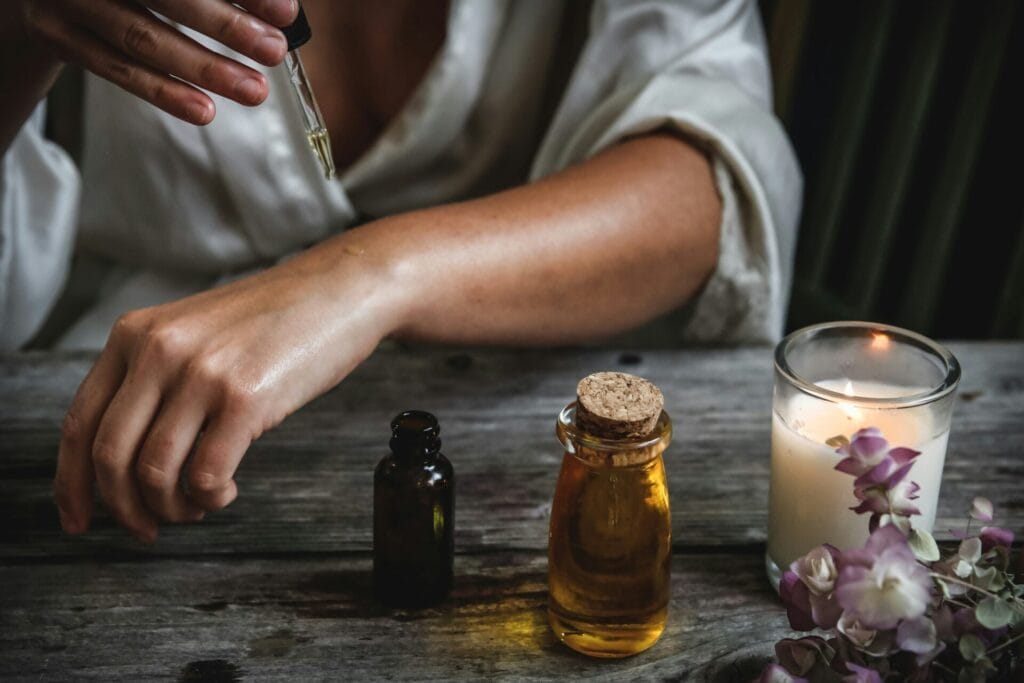
Aromatherapy is a holistic practice that uses essential oils extracted from aromatic plants to promote physical, mental, and emotional health and well-being. It is based on the principle that the inhalation and topical application of these concentrated oils can influence the body through the sense of smell and the circulatory system.
Beyond a pleasant aroma: Essential oils contain a variety of therapeutic chemical compounds. When inhaled, these aromatic molecules stimulate olfactory receptors in the nose, sending signals to the limbic system in the brain, the area responsible for emotions, memory, and sensation. Also, topical application of diluted essential oils to the skin allows the molecules to be absorbed into the body, potentially influencing various physiological functions.
A complementary approach: Aromatherapy is a complementary practice, not an alternative to traditional medicine. It can be used alongside conventional treatments to enhance outcomes and promote a holistic approach to health.
More than perfume: Aromatherapy is not just about the pleasant smell of essential oils. It is a complex science that studies the biochemical and psychological effects of these concentrated substances. With ongoing research, our understanding of the therapeutic potential of aromatherapy continues to grow.
The multiple benefits of aromatherapy – What are the benefits of aromatherapy?
Aromatherapy offers a kaleidoscope of health and well-being benefits, addressing both the physical and psychological aspects of the body. These benefits result from the therapeutic properties of essential oils extracted from aromatic plants. Essential oils contain volatile chemical compounds that can influence the body through inhalation and topical absorption.
Here is an overview of the multiple benefits of aromatherapy:
1) Relaxation and stress control:
Oils like lavender, bergamot, chamomile, ylang ylang, and sandalwood are renowned for their calming properties. They can reduce nervous tension, anxiety, and promote a sense of calm.
Diffusing these oils creates a relaxing atmosphere, and inhaling them stimulates the limbic system in the brain, the area responsible for emotions.
Massage with diluted essential oils can help release muscle tension and reduce stress.
2) Promoting restful sleep
Oils like lavender, chamomile, and valerian have a mild sedative effect, inducing relaxation and facilitating deeper, more restful sleep.
Diffusing these oils before bed can create a calming ritual, and inhaling them can promote faster sleep.
These oils can also be useful for people who suffer from insomnia or restless sleep.
3) Immune system support
Oils like thyme, lemon, tea tree, and clove are known for their antibacterial and antifungal properties.
These can help boost the immune system to fight infections and bacteria.
Diffusing or inhaling these oils can help purify the air and reduce the risk of respiratory infections.
4) Pain relief
Oils like lavender, peppermint, eucalyptus, and rosemary can help reduce muscle, joint, and headache pain.
The anti-inflammatory properties of some essential oils can relieve discomfort associated with conditions like arthritis and menstrual pain.
Topically applying diluted essential oils to the painful area may provide a feeling of relief.
5) Improving mood and energy
Oils like orange, grapefruit, peppermint, and rosemary have stimulating properties that can increase mental and physical energy.
These oils can combat fatigue, improve concentration, and induce a positive mood.
Diffusing or inhaling these oils may be beneficial in the morning to increase alertness or during the day to combat fatigue.
Other benefits
Digestive problems: Oils like peppermint, fennel, and ginger can help relieve digestive problems like bloating, indigestion, and constipation.
Skin conditions: Oils like tea tree, lavender, and chamomile can soothe skin irritations, acne, and eczema.
Easy breathing: Oils like eucalyptus, peppermint, and tea tree can help decongest airways and relieve cold and flu symptoms.
Tips for choosing quality essential oils for aromatherapy
- Source:
Provenance: Opt for essential oils from regions renowned for growing those aromatic plants. For example, lavender from Provence, France, is considered to be of exceptional quality.
Organic farming: Choose certified organic essential oils, which come from crops grown without pesticides or chemical fertilizers.
Sustainable practices: Supports producers who use sustainable agricultural practices and respect the environment.
- Extraction methods:
Distillation: Prefer essential oils obtained through steam or CO2 distillation, methods that best preserve the beneficial properties of plants.
Cold pressing: Cold-pressed essential oils can be a good option for certain citrus fruits, but may have a less intense flavor.
Solvent avoidance: Avoid essential oils obtained with chemical solvents, as they may contain harmful impurities.
- Detailed information:
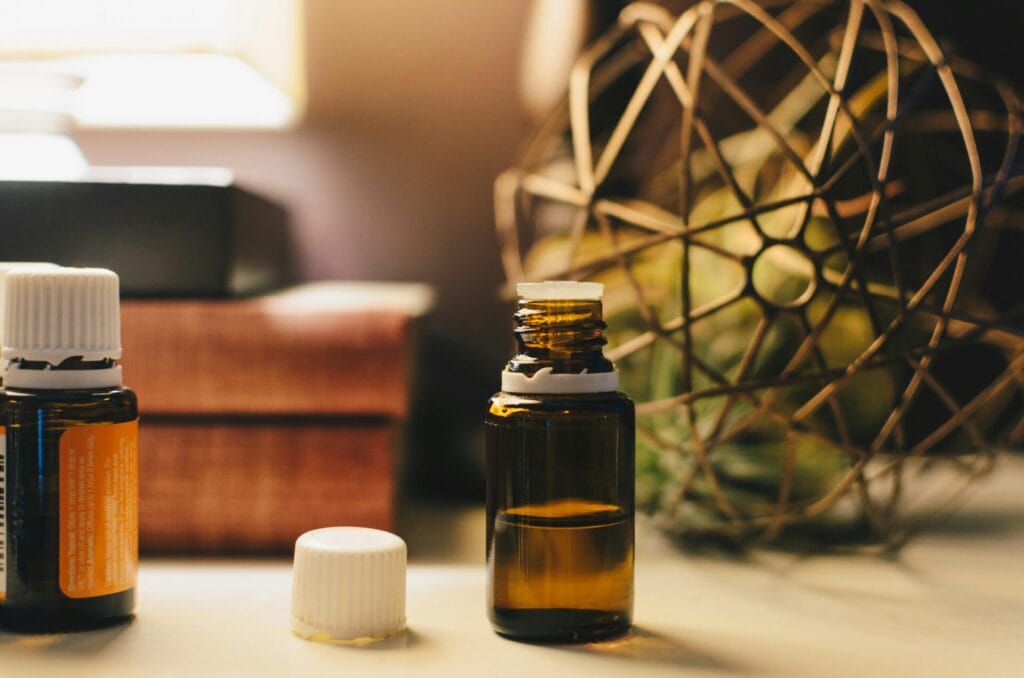
Clear labels: Look for essential oils with clear labels that list the plant's full botanical name (genus and species), geographic origin, extraction method, and expiration date.
Concentration: 100% pure essential oils do not contain any additives or diluents. Some oils may be diluted, but this should be clearly stated on the label.
Laboratory tests: Look for essential oils that have undergone independent laboratory testing to verify purity and chemical composition.
- Manufacturer's reputation:
Trusted companies: Choose essential oils from companies with a solid reputation in the aromatherapy industry.
Reviews and recommendations: Read online reviews and consult recommendations from aromatherapy specialists to identify trusted manufacturers.
Reasonable prices: Quality essential oils can be expensive, but extremely low prices can be an indication of inferior quality.
- Testing oils:
Miros: Quality essential oils have a natural, intense, and pleasant scent. Avoid oils with a chemical or artificial scent.
Aspect: Pure essential oils are usually clear and liquid, without sediment or impurities.
Testing on a small area of skin: Perform a test on a small area of skin to make sure you don't have any allergic reactions or irritation.
Simple recipes with essential oils – Forms of aromatherapy
Aromatherapy offers a variety of simple and effective ways to integrate essential oils into your daily life to improve your mood, reduce stress, and promote overall health. Here are some simple recipes to experience the therapeutic power of essential oils in the comfort of your own home:
1. Relaxation diffuser:
Ingredients: 5 drops of lavender essential oil, 3 drops of chamomile essential oil and 2 drops of bergamot essential oil.
Method of preparation: Add essential oils to the diffuser tank and turn it on to create a relaxing and soothing atmosphere.
Benefits: This combination of oils has a calming and sedative effect, making it ideal for inducing relaxation, reducing stress, and improving sleep quality.
2. Massage to relieve muscle pain
Ingredients: 10 drops of peppermint essential oil, 5 drops of eucalyptus essential oil and 1 tablespoon of sweet almond oil.
Method of preparation: Mix the essential oils with sweet almond oil. Apply the mixture to the painful area and massage gently until completely absorbed.
Benefits: This combination of oils has anti-inflammatory and analgesic properties, making it ideal for relieving muscle pain, joint pain, and headaches.
3. Inhalation for nasal congestion
Ingredients: 2 drops of eucalyptus essential oil, 2 drops of peppermint essential oil and 1 drop of lavender essential oil.
Method of preparation: Add the essential oils to a handkerchief and inhale deeply for a few minutes.
Benefits: This combination of oils has decongestant and antibacterial properties, making it ideal for unclogging airways, relieving nasal congestion, and reducing cold and flu symptoms.
4. Relaxing bath
Ingredients: 10 drops of lavender essential oil and 5 drops of ylang ylang essential oil.
Method of preparation: Add the essential oils to warm bath water and mix well. Relax in the bath for 15-20 minutes.
Benefits: This combination of oils has a calming and relaxing effect, making it ideal for reducing stress, inducing muscle relaxation, and improving sleep quality.
5. Cold compress for pain
Ingredients: 5 drops of peppermint essential oil and 5 drops of lavender essential oil.
Method of preparation: Add essential oils to a cold compress or a towel soaked in cold water. Apply the compress to the painful area for 15-20 minutes.
Benefits: This combination of oils has anti-inflammatory and analgesic properties, making it ideal for relieving pain, inflammation, and discomfort.
6) Important tips
Always dilute essential oils with a carrier oil (such as sweet almond oil or coconut oil) before topical application.
Avoid contact of essential oils with eyes and mucous membranes.
Do not ingest essential oils.
Perform a patch test on a small area of skin before using an essential oil for the first time.
Pregnant, nursing women, or people with pre-existing medical conditions should consult a doctor before using aromatherapy.
Tips for integrating aromatherapy into everyday life – How do you use aromatherapy?
Aromatherapy can be a wonderful way to improve your mood, reduce stress, and promote an overall sense of well-being. Here are some simple tips for integrating aromatherapy into your daily life:
- loudspeaker
Choose a suitable speaker: There are a variety of speakers available, from simple ultrasonic models to more complex speakers that provide light and heat. Choose a speaker that suits your needs and preferences.
Create an atmosphere: Add a few drops of your favorite essential oil to the diffuser and turn it on to create a relaxing, energizing, or romantic atmosphere.
Use it in different spaces: You can use a speaker in your bedroom, office, bathroom, or even in your car.
- Essential oils on the pillow
Add a drop: Put a drop of calming essential oil, such as lavender or chamomile, on your pillow before bed to help you relax and fall asleep more easily.
Use a mixture: Create a blend of essential oils that you like and add a few drops to a handkerchief that you place next to your pillow.
- Aromatic bath
Add essential oils: Add 5-10 drops of essential oils to warm bath water and mix well. Relax in the bath for 15-20 minutes to relieve stress and refresh yourself.
Use bath salts: You can buy or make your own bath salts with essential oils. Add the bath salts to your bath water for an even more relaxing experience.
- Aromatic shower
Add essential oils: Put a few drops of essential oil on a cotton ball or towel and place it in the corner of the shower. The heat and steam will release the oil's aroma, creating an invigorating or relaxing atmosphere.
Use a shower gel with essential oils: Choose a shower gel with your favorite essential oils for a more aromatic and relaxing shower experience.
- Massage with essential oils
Add essential oils to a carrier oil: Dilute 5-10 drops of your favorite essential oil with 1 tablespoon of carrier oil, such as sweet almond oil or coconut oil.
rub: Massage the oil blend onto desired areas of your body to relax your muscles, reduce stress, and improve your mood.
- Using essential oils on pulse points
Apply a drop: Add a drop of essential oil to your pulse points on your wrists, neck, or temples. Your body heat will release the oil's aroma throughout the day.
Use a mixture: Create a blend of essential oils that you like and apply a drop to your pulse points.
- Scented sprays
Create a spray: Mix essential oils with distilled water in a spray bottle. Optionally add a teaspoon of vodka or white vinegar as a preservative.
Use it on pillows, bedding or in the room: Spray the spray on pillows, bedding or in the room to create a pleasant and aromatic atmosphere.
Additional resources:
International Aromatherapy Association: https://efeo.eu/
National Aromatherapy Association: https://naha.org/
Aromaweb: https://www.aromaweb.com/
Aromatherapy Magazine: https://www.sciencedirect.com/topics/earth-and-planetary-sciences/essential-oil
Aromatherapy diffusers
Aromatherapy diffusers are devices that are used to disperse essential oils or aromas into the air, thus creating a pleasant and health-beneficial atmosphere. These devices can be used in various spaces, such as homes, offices, massage rooms or spas.
There are several types of aromatherapy diffusers, each with different advantages and modes of operation:
- Ultrasonic speakers: These diffusers use ultrasound to disperse fine particles of water and essential oils into the air, creating a fine, pleasant mist. They are relatively quiet and can be used to diffuse aromas in a small to medium space;
- Nebulizing diffusers: These diffusers use a jet of compressed air to transform essential oils into a fine mist, which is then dispersed into the air. They can better cover large spaces and are ideal for use in conference rooms or public spaces;
- Heat diffusers: These diffusers use heat to vaporize essential oils and disperse them into the air. They typically consist of a base that heats the essential oils, and the aroma is then released into the air. However, some diffusers with heat can partially destroy the therapeutic properties of essential oils;
- Fan-powered speakers: These diffusers use a fan to disperse the aromas into the air. They are simple in design and may be better suited for small spaces or for use while traveling.
14 Best Essential Oils for Aromatherapy
There are numerous essential oils that can be used in aromatherapy to achieve various physical and mental health benefits. Here are 14 of the most popular and versatile essential oils used in aromatherapy:
- Lavender (Lavandula angustifolia): It is known for its relaxing and calming properties, being useful in reducing stress, anxiety and improving sleep;
- Peppermint (Mentha piperita): It has an invigorating and cooling effect, being beneficial for relieving headaches, nausea and fatigue;
- Lemon (Citrus limon): It has a fresh and energizing scent, being useful for improving mood, stimulating concentration and reducing stress;
- Tea tree (Melaleuca alternifolia): It is known for its antiseptic and antimicrobial properties, being useful in treating infections and skin problems;
- Eucalyptus (Eucalyptus globulus): It has expectorant and decongestant properties, being beneficial for treating colds, coughs and nasal congestion;
- Rosemary (Rosmarinus officinalis): It is known for its ability to stimulate circulation and improve concentration and memory;
- Ylang-Ylang (Cananga odorata): It has a floral and sedative scent, being useful for reducing stress, anxiety and improving sleep;
- Cedar (Cedrus atlantica): It has a woody and calming scent, being useful for inducing relaxation and reducing anxiety;
- Ginger (Zingiber officinale): It has invigorating and warming properties, being beneficial for relieving muscle pain and fatigue;
- Orange (Citrus sinensis): It has a sweet and comforting scent, being useful for improving mood and reducing stress;
- Basil (Ocimum basilicum): It has a refreshing and stimulating scent, being beneficial for improving concentration and alertness;
- Rose (Rosa damascena): It has a floral and comforting scent, being useful for reducing stress and emotional tension;
- Patchouli (Pogostemon cablin): It has a rich and exotic scent, being beneficial for reducing anxiety and stress;
- Mandarin (Citrus reticulata): It has a sweet and calming scent, useful for improving mood and relaxation.
Conclusion about aromatherapy
Aromatherapy can help balance the energy of the body and mind, promoting an overall state of well-being and harmony.
Choose the essential oils that suit your needs and preferences and experience the therapeutic power of nature. Transform your home into a space of relaxation and rejuvenation, integrate aromatherapy into your daily routine and discover a natural and effective path to a healthier and happier life.
Start your journey to wellness with aromatherapy today or with an alternative therapy: