

What does depression mean?
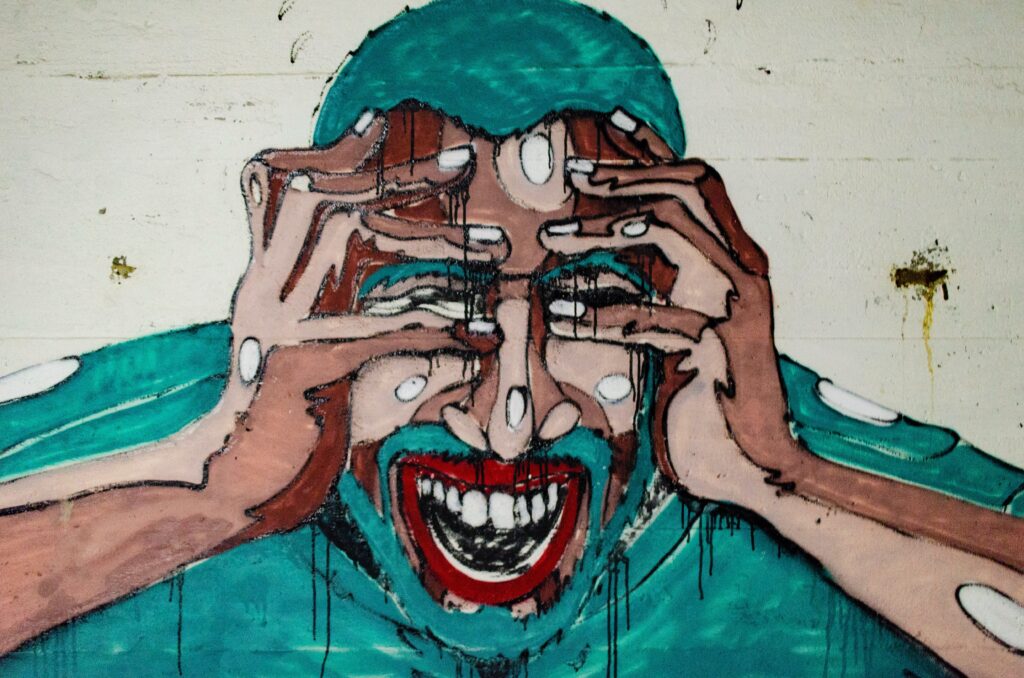
Depression is a mental disorder that significantly affects a person's well-being, thinking, emotions, and behavior. It is a serious and complex medical condition that can have a profound impact on a person's life and daily functioning. Here are some key characteristics of depression:
- Persistent state of sadness: One of the basic characteristics of depression is a state of deep and persistent sadness. This sadness is not related to a specific cause and can persist for a long time.
- Loss of interest and pleasure: People with depression may lose interest in activities they once enjoyed. This is called anhedonia and can include losing pleasure in eating, socializing, or participating in hobbies.
- Sleep changes: Depression can lead to insomnia (difficulty falling asleep or staying asleep) or hypersomnia (prolonged sleep or excessive sleepiness).
- Changes in appetite and body weight: Some people with depression may lose weight due to decreased appetite, while others may gain weight due to increased appetite.
- Fatigue and lack of energy: People with depression often feel extremely tired and lack energy, even after adequate rest.
- Feelings of uselessness and guilt: Depression can cause a person to feel useless, unimportant, and guilty for things that are not under their control.
- Difficulty concentrating and making decisions: People with depression may have difficulty concentrating and find it hard to make simple decisions.
- Suicidal thoughts: In some cases, depression can lead to suicidal thoughts or suicide attempts. This is an emergency that requires immediate medical attention.
🔊 Discover how you can achieve a happy and peaceful life! Sign up for a session now FREE 1-on-1 to learn the secrets of happiness.
Depression symptoms – depression symptoms

Depression can have a variety of symptoms, which vary in severity and can affect each person differently. To be considered clinical or major depression, symptoms must persist for at least two weeks and significantly impair a person's ability to function in daily life. Here are some of the common symptoms of depression:
- Persistent state of sadness: A core symptom of depression is a persistent feeling of sadness or lack of joy. This sadness can be present almost every day and for most of the day.
- Loss of interest and pleasure: People with depression may lose interest in activities they once enjoyed and may feel a general lack of pleasure or satisfaction in life.
- Sleep changes: Depression can lead to insomnia (difficulty falling asleep or staying asleep) or hypersomnia (excessive sleep or persistent drowsiness).
- Changes in appetite and body weight: Some people with depression may experience loss of appetite and weight loss, while others may overeat and gain weight.
- Fatigue and lack of energy: People with depression often feel exhausted and lack energy, even if they have had enough rest.
- Difficulty concentrating and making decisions: Depression can affect the ability to concentrate and make a person have difficulty making decisions.
- Feelings of uselessness or excessive guilt: People with depression may have feelings of uselessness, worthlessness, or guilt for things that are not under their control.
- Agitation or psychomotor slowing: Some people may experience agitation, such as nervousness and restlessness, while others may feel a slowing of movements and thinking.
- Thoughts of suicide or self-harm: In severe cases of depression, a person may have thoughts of suicide or attempt self-harm. This is a medical emergency and requires immediate help.
🔊 Discover how you can achieve a happy and peaceful life! Sign up for a session now FREE 1-on-1 to learn the secrets of happiness.
How do you get rid of depression?

Recovering from depression can be a difficult process and can vary from person to person. It is important to understand that depression is a medical condition and often requires a multifaceted approach to treatment. Here are some steps that can help you cope with and overcome depression:
- Seek professional help: A first and essential step is to consult a mental health professional, such as a psychotherapist or psychiatrist. These professionals can assess the severity of your depression and recommend appropriate treatment, which may include individual therapy, group therapy, or medication.
- Participate in therapy: Psychological therapy, such as cognitive behavioral therapy (CBT) or interpersonal therapy, is effective in treating depression. Your therapist will help you identify and explore the negative thoughts and behaviors that contribute to your depression and provide you with strategies for changing them.
- Medication: In severe cases of depression or in situations where therapy is not effective enough, medication may be a useful option. A psychiatrist may prescribe antidepressants to help manage symptoms.
- Other complementary therapies: Therapies such as exercise therapy, art therapy, or meditation can be useful as complementary therapies in treating depression.
- Healthy lifestyle: Self-care is essential. Maintain a regular sleep schedule, eat a balanced diet, and exercise regularly. Avoid alcohol or substance abuse.
- Social support: Engaging in healthy social relationships can provide emotional support and help reduce isolation. Talk to friends or family about what you're going through.
- Stress management: Learning stress management techniques, such as meditation, deep breathing, or yoga, can help reduce symptoms of depression.
- Avoiding self-judgment: It is important to avoid judging or criticizing yourself for your depression. It is a medical condition and not your fault.
- Setting small goals: Try to set small, achievable goals for yourself every day. Achieving these goals can contribute to better well-being.
- Monitoring and adjustment: It is important to monitor your progress and work with mental health professionals to adjust treatment as needed.
Depression can be a difficult condition, but it is treatable and many people have experienced significant improvements with the right treatment. It is essential to seek help and not feel alone in this struggle.
Postnatal depression
Postnatal depression, also known as postpartum depression, is a mental health condition that affects some women after the birth of a baby. It can affect mothers in the first weeks or months after giving birth, but it can also occur later in the baby's first year of life. Postnatal depression can be a difficult experience and can affect the relationship with the newborn and the family.
Here are some of the symptoms and characteristics of postnatal depression:
- Persistent state of sadness or lack of interest or pleasure in activities.
- Excessive fatigue or exhaustion, even after sufficient rest.
- Feelings of worthlessness or guilt.
- Difficulty concentrating and making decisions.
- Sleep disorders, such as insomnia or hypersomnia.
- Changes in appetite and body weight.
- Agitation or psychomotor slowing.
- Anxiety, panic, or excessive fear.
- Thoughts of suicide or self-harm.
It's important to know that postpartum depression is not your fault and is not caused by weakness or incapacity. It is a medical condition that can affect any woman after giving birth. Factors that can contribute to the development of postpartum depression include hormonal changes, physical and emotional exhaustion, the stress of caring for a newborn, and a personal or family history of mental health problems.
Positive Quotes for Depression
- "Our greatest glory lies not in never falling, but in rising every time we fall." – Confucius
2. "Every morning we are born again. What we do today is what matters most" - Buddha.
3. "He who moves mountains begins by gathering pebbles." - CONFUCIUS
4."Believe in yourself and all that you are. Know that there is something inside you that is greater than any obstacle." - Christian D. Larson.
5. "The most beautiful people I have known are those who have known defeat, known suffering, known struggle, known loss, and found their way out of the depths." - Elisabeth Kubler-Ross
Conclusion
🔊 Discover how you can achieve a happy and peaceful life! Sign up for a session now FREE 1-on-1 to learn the secrets of happiness.